
Locked Out of the House at Night: What Are Your Real Options?
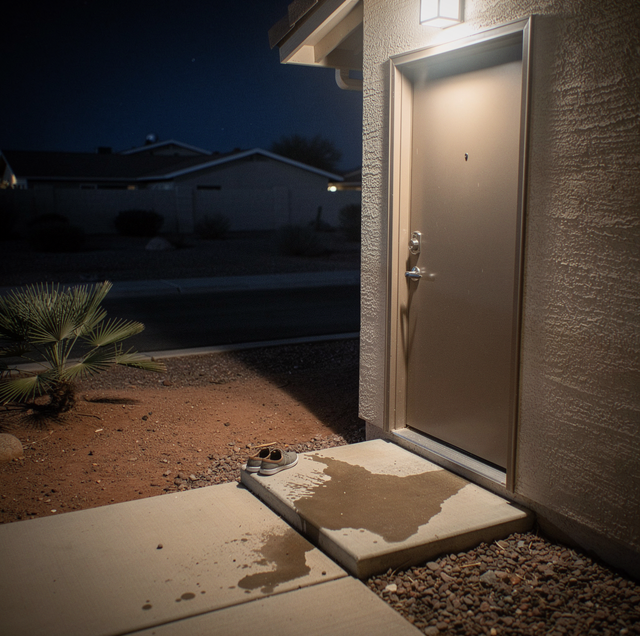
The porch light is off, the door won't budge, and the phone in your hand is the only thing standing between you and a long, cold wait on the front step. A lockout at two in the afternoon is an errand. The same lockout at eleven at night is a different problem entirely, because the options that work in daylight- a nearby neighbor, an open hardware store, a spare key someone can drop off on their lunch break- mostly disappear once the sun goes down. What's left is a shorter, more honest list of choices, and knowing which ones actually work turns a stressful night into a short delay rather than a long one.
Why Nighttime Lockouts Are A Different Problem Than Daytime Ones
A daytime lockout usually has a built-in safety net. Someone's awake at the office who can run over a spare key. A locksmith shop down the street has a technician on the counter. A neighbor is out front doing yard work and can let you wait inside. None of that infrastructure runs on a night schedule. The friend with your spare key is asleep, phone on silent. The shop is closed. The street is empty. What's actually available at night is a much smaller set: whoever you can reach by phone, whatever door or window you can safely check yourself, and a locksmith who works around the clock rather than during business hours.
The other difference is exposure. Standing outside for twenty minutes on a mild afternoon is an inconvenience. Standing outside for two hours after midnight, especially in the cold, in the heat, or in weather that turns without warning, adds a layer of discomfort and risk that doesn't exist during the day. That's the real reason nighttime lockouts deserve a faster decision instead of a slower, wait-and-see approach: the clock is working against you in a way it isn't at noon.
Checking For Another Way In Safely
Before ruling anything else out, it's worth doing a quick, careful walk around the house, but only if that walk is actually safe. A porch light overhead, a phone flashlight, and a known layout make this manageable; total darkness, an unfamiliar side yard, or a steep drop-off near a window do not. If a back door, garage entry, or ground-floor window was never locked earlier in the day, that's a legitimate way back in and worth checking first.
A few things matter here. Don't climb anything to reach a second-story window at night; the risk of falling is never worth saving a phone call. Don't force a window that's stuck rather than open, since forcing it can break the frame or the glass and turn a lockout into a repair bill on top of the original problem. And don't linger outside longer than it takes to check the obvious spots: front, back, garage, any door or window you know for certain was left open earlier. If nothing turns up in a few minutes, that's your answer: the house is sealed, and the next step is to contact someone rather than continue searching in the dark.
When It's Safe To Wait, And When It's Time To Act
Not every nighttime lockout needs an immediate call. If the weather is mild, you're not alone, and someone with a spare key is actually on their way, waiting twenty or thirty minutes in a safe, well-lit spot is a reasonable choice. A car, a covered porch, or a neighbor's front step all work fine for a short wait.
The calculation changes quickly if any of the following is true: the weather has turned rough, cold enough or hot enough to matter within an hour; you're alone with a child or a pet who's also stuck outside; you don't actually know when the spare-key option will show up, "sometime tonight" isn't a plan; or you're in an isolated spot with no safe place to sit and wait. In any of those situations, the better move is to stop waiting and start acting, because the situation gets worse the longer it sits unresolved, not better.
| Situation | Reasonable To Wait | Time To Call For Help |
|---|---|---|
| Mild weather, spare key arriving soon | Yes | No |
| Extreme cold or heat | No | Yes |
| Child or pet also locked out | No | Yes |
| No firm timeline on the spare key | No | Yes |
| Safe, well-lit spot to wait | Yes | No |
| Isolated area, no safe waiting spot | No | Yes |
Why A Locksmith Beats DIY Methods After Dark
The internet is full of videos showing a credit card slipped between a door and frame, popping a lock open in seconds. That trick, when it ever worked, was built around an old-style spring latch, the kind with a slanted bolt that a stiff card could push back. Almost no home built or updated in the last couple of decades uses that hardware on its main entry. A deadbolt has a solid, square-cut bolt that extends straight into the frame with nothing angled to catch, and no amount of card-sliding moves it. Trying it on a modern deadbolt at night, in poor light, usually just scratches the door and wastes the time you don't have.
The same goes for prying a door with a flathead screwdriver, jimmying a window frame, or trying to pick a pin-tumbler lock with a bent bobby pin. Each of those methods carries a real chance of damaging the door, the frame, or the lock itself, turning a lockout into a repair job that costs more time and money than the original problem. A trained locksmith carries tools designed specifically to open a locked door without forcing or damaging it, and knows which method works for which lock. At night, when there's no daylight to work by and no easy way to assess damage as it happens, that gap between a professional method and an improvised one only gets wider.
There's also the simple matter of speed. A locksmith who handles emergency calls is set up to reach a house and open the door in a fraction of the time it takes to research, attempt, and fail with a DIY method found online. Calling first, rather than trying a workaround and calling only after it doesn't pan out, is usually the faster path back inside.
What To Expect When A Locksmith Arrives
A legitimate mobile locksmith responding to a nighttime call follows a fairly consistent pattern, and knowing it ahead of time makes the whole process feel less uncertain. Expect a phone call or text confirming the address and a rough arrival window before anyone shows up. On arrival, a professional locksmith should be able to show identification and confirm the service details discussed over the phone, since verifying who's at your door matters just as much at night as verifying who's asking to come in during the day.
Once identity is confirmed, the actual entry method is almost always non-destructive. Picking the lock, manipulating it with specialized tools, or using a bypass method suited to that specific lock type are all standard approaches to opening the door without damaging the hardware or the frame. Drilling is a last resort, used only when a lock is damaged, jammed, or otherwise unworkable through normal means, and a good locksmith explains that before doing it rather than reaching for it first. After the door opens, a quick check that the lock still functions normally, and that the key or keypad code still works as expected, closes out the visit.
How To Prevent A Repeat Of Tonight
Every nighttime lockout comes down to one of two things: no key was available, or the only key that existed wasn't with you. Fixing that gap is less about remembering to carry a key every single time and more about building a backup that doesn't depend on memory.
A spare key with one specific, trusted person- a family member, a close neighbor, someone who's actually reachable at night rather than three time zones away- solves the most common version of this problem outright. A keyed lockbox mounted somewhere discreet works the same way without relying on another person's schedule, provided the combination is reset periodically rather than left at the factory default indefinitely.
A keypad deadbolt removes the key entirely from the equation. A code punched into the door doesn't get left on a kitchen counter or forgotten in a jacket pocket, and a keypad lock still works during a power outage since it runs on battery power rather than household electricity. A full smart lock adds remote access on top of that, letting a lock get checked or opened from a phone, useful for the exact situation of standing outside without a key and needing a way in that doesn't involve anyone driving over. Any of these three- a well-placed spare, a lockbox, or a keypad or smart lock- closes the specific gap that turns an ordinary evening into a night spent standing on the porch.
Frequently Asked Questions
It's usually not worth the risk. Picking a lock without training and proper tools tends to damage the pins or the cylinder, and working in the dark makes it harder to notice the damage. A professional locksmith carries tools built for the job and can typically open the door faster without damaging the lock.
Give it one more attempt via text or another contact method, then treat the situation as though no spare exists. Waiting indefinitely on an unanswered phone wastes time you could spend arranging a locksmith, who can usually reach a house faster than a sleeping contact will wake up and respond.
A locksmith offering emergency service operates around the clock, including overnight hours, specifically because lockouts don't follow a business-hours schedule. Confirm that 24/7 coverage when calling, since not every locksmith offers it.
Ask for identification before letting anyone approach the lock, and confirm the details match what was discussed on the phone, the address, the service, and the name of the company you called. A legitimate locksmith expects this question and answers it without hesitation.
Not with a properly trained locksmith using standard non-destructive methods like picking or manipulation. Damage is typically limited to situations where the lock itself is already broken, jammed, or corroded, and even then, drilling is used only as a last resort after other methods are ruled out.
A keypad or smart lock removes the key from the equation entirely, since a code doesn't get forgotten in a pocket or left on a counter the way a physical key does. For a lower-cost option, a discreet lockbox with a periodically reset combination or a spare key held by one reliably reachable person both close the same gap.
A nighttime lockout feels bigger in the moment than it actually is, mostly because the usual daytime options aren't available and the dark makes everything feel more urgent. The actual path forward is short: check for a safe, known way in, decide honestly whether waiting makes sense given the weather and the company you're keeping, and call a locksmith who works emergency hours rather than experimenting with a method that risks the door or the frame. Handle it that way tonight, and put a spare key, lockbox, or keypad lock in place afterward so the next unexpected night ends with you walking inside instead of standing on the step.
Locked out of your house tonight — Get a locksmith to your door fast for damage-free, non-destructive entry, any hour. KwikPick Lock and Safe serves the Phoenix West Valley. Call (623) 300-1889.
