
Just Bought a Home? Rekey or Replace the Locks?
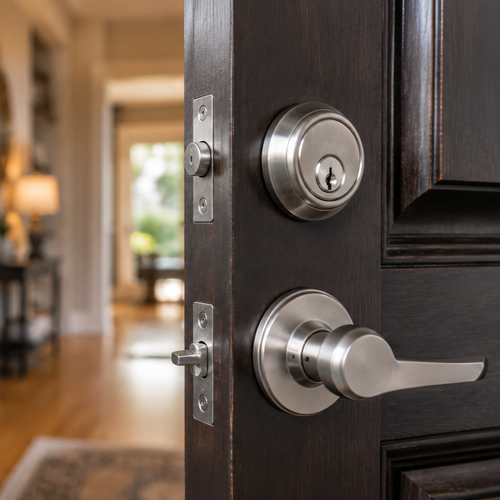
Quick Answer: Change the locks the day you move in — too many people may have copies of the old keys. For most new buyers, rekeying is the smart first move: it's cheaper and faster than replacing, keeps your existing hardware, and makes the old keys useless. Replace instead when the locks are worn, low-security, or you want an upgrade like a smart lock. Either way, do every exterior door, and consider putting them all on one key.
You just got the keys to your new house — and so, potentially, did the previous owners, their kids, a dog-sitter, a contractor, and whoever they lent a spare to over the years. As the education manager at the Associated Locksmiths of America puts it, there's no telling who has made a key to your house. Changing your locks is one of the first things to do after closing. The only real question is whether to rekey or replace, and the answer usually varies by door.
Rekey vs. Replace: What's the Difference?
Rekeying changes the inner workings of a lock — the small pins and springs inside the cylinder — so the old key no longer turns it and a new key does. The lock itself, the handle, and the deadbolt you can see, stay right where they are. Replacing means removing the existing hardware and installing a brand-new lock.
That distinction drives the whole decision. Rekeying keeps the hardware intact and just changes who can open it. Replacing makes sense when the hardware itself is the problem or when you want something the old lock can't offer.
Why Rekeying Is the Usual First Move
For a typical new-home buyer with decent existing locks, rekeying wins on cost, speed, and the thing that actually matters — cutting off everyone who had the old key. It's generally cheaper than buying all-new hardware and quicker, since a locksmith can rekey several locks in a single short visit. You get new keys, the old ones stop working, and your money goes toward the security change rather than the hardware you didn't need to replace.
There's a bonus most buyers love: rekeying can put every exterior door on a single key. If the home came with a different key for the front, back, and garage doors, a locksmith can rekey them all to match, so you walk around with one key instead of a crowded ring. That "key-alike" convenience is one of the best reasons to rekey even locks that already work fine.
When You Should Replace Instead
Rekeying assumes the hardware is worth keeping. Replace the lock when it isn't, or when you want more than the old lock can give:
| Rekey when… | Replace when… |
|---|---|
| Locks work smoothly and aren't damaged | Hardware is worn, sticking, or damaged |
| You just want the old keys cut off | Locks are low-security or builder-grade basic |
| You want all doors on one key | You want a smart lock or keyless entry |
| The locks are decent quality already | You want a higher security grade |
A common new-home situation makes this real: tract homes often ship with inexpensive builder-grade locks, sometimes all keyed alike from the factory. If yours are flimsy or low-grade, replacing them with a sturdier lock is money better spent than rekeying hardware you won't trust anyway. The same goes if you want to step up to a smart lock or keyless entry — that's a replacement by definition.
A Word on Security Grades
If you do replace, it's worth knowing how locks are rated. The Builders Hardware Manufacturers Association sets the ANSI grades you'll see referenced: Grade 1 is the highest performance, followed by Grade 2 and Grade 3. The grades reflect durability and security testing — a Grade 1 lock is built to withstand far more use and force than a Grade 3 lock. For exterior doors, leaning toward a higher grade is a sound investment, and pairing a solid deadbolt with a reinforced strike plate held by long screws does more for real-world security than the lock alone.
Don't Forget a Single Door
Whichever route you choose, the rule is the same: change every exterior entry point, not just the front door. That means the back door, the side door, the door from the garage into the house, and any basement or casita entrance. In a Phoenix-area home, it's easy to overlook the interior garage-to-house door and side gates — but a key that opens any of them is a key that opens your home. A whole-home rekey covers them all in one visit, and it's the cleanest way to know that the only keys to your house are the ones in your pocket.
One maintenance note if you go the smart-lock route: keyless and smart locks depend on batteries and electronics, so they need fresh batteries and a little attention, especially in the desert heat. They're a great upgrade — just a different kind of upkeep than a traditional deadbolt.
Frequently Asked Questions
Yes — it's one of the first things to do after closing. You have no way of knowing how many copies of the old keys are out there, or who has them, from previous owners to contractors to neighbors with a spare. Whether you rekey or replace, changing every exterior lock is what guarantees you control who can get in.
Rekeying is usually cheaper because you keep the existing hardware and only change the internal pins, and a locksmith can do several locks in one visit. Replacing costs more because you're buying all-new hardware. The exception is very cheap or damaged locks, where replacing low-grade hardware can make more sense than rekeying something you won't trust.
It changes the pins and springs inside the lock cylinder, so the old key no longer works, and a new key does. The visible hardware — the handle and deadbolt — stays in place. The result is that anyone who had a copy of the old key is locked out, without the cost of replacing the lock itself.
Usually, yes. A locksmith can rekey your exterior locks so they all open with a single key, which is called keying them alike. It's one of the most popular reasons to rekey a new home — instead of juggling separate keys for the front, back, and garage doors, you carry one. It works if the locks are compatible with pin-and-tumbler hardware.
Replace when the hardware is worn, damaged, or low-security, or when you want an upgrade the old lock can't provide — a smart lock, keyless entry, or a higher security grade. Builder-grade locks on a new tract home are a common case: if they're flimsy, your money is better spent on sturdier hardware than on rekeying locks you won't rely on.
All of them — every exterior entry point. That's the front, back, and side doors, the door from the garage into the house, and any basement, casita, or gate that locks. People often forget the interior garage door and side gates, but a key that opens any entrance defeats the purpose. Doing them all at once, ideally on one key, is the clean solution.
One Key, in Your Pocket, and No Others
The goal of changing locks on a new home is simple: make sure the only working keys are the ones you hold. For most buyers, rekeying gets you there fastest and cheapest while keeping your good hardware and putting every door on one key. Replace where the locks are worn, weak, or due for an upgrade. Do every entrance, not just the front, and you can settle into the house knowing exactly who can open the door — you.
Just bought a home? — Get every exterior door rekeyed or upgraded in one visit, so the old keys mean nothing. KwikPick Lock and Safe serves the Phoenix West Valley. Call (623) 300-1889.
