
Protecting Homes from Break-Ins During Vacation Season
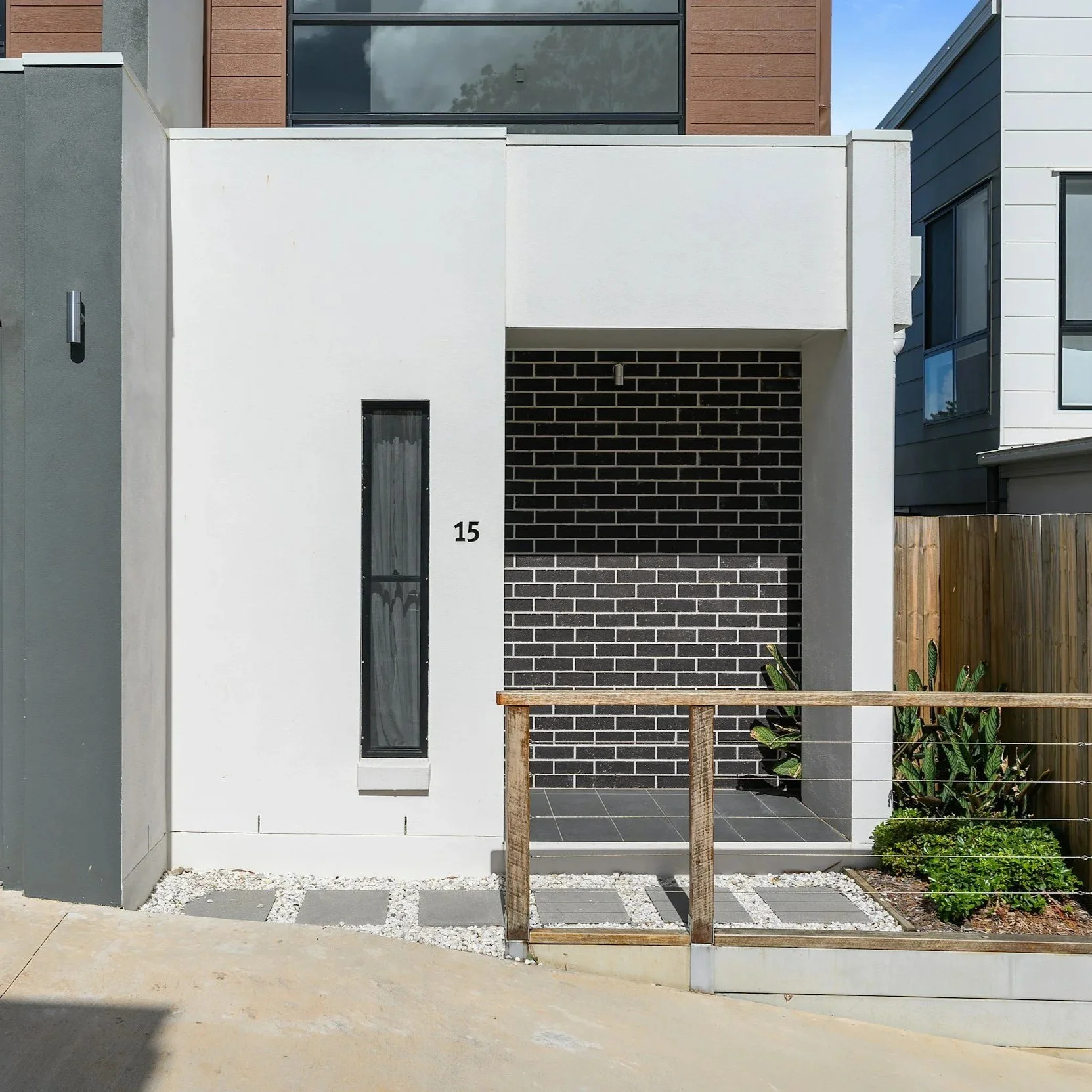
That uneasy feeling sticks with you because empty homes have a way of advertising themselves, and break-ins tend to happen when everything looks just a little too quiet.
You’re halfway through your trip and suddenly wonder if you locked the back door or left a light on. That uneasy feeling sticks with you because empty homes have a way of advertising themselves, and break-ins tend to happen when everything looks just a little too quiet. A missed detail like piled-up mail or a dark house every night can turn a relaxing vacation into constant stress about what you’re coming home to.
Protecting homes from break-ins during vacation season starts with understanding how quickly small oversights turn into real vulnerabilities. Burglars are not guessing. They are watching patterns, looking for stillness, and noticing when a home stops behaving as someone lives there. Taking a few intentional steps before leaving changes how your home appears from the outside and how difficult it is to access from the inside.
The Front Door Isn’t As Secure As Most People Think
Many homeowners assume that locking the front door is enough, especially if the lock looks solid or came with the house. In reality, standard locks are often the weakest point in home security because they are predictable, widely used, and sometimes installed without reinforcement. A basic deadbolt might keep out casual attempts, but it does not always hold up against force or simple tools used by someone who knows what they’re doing.
Upgrading door hardware noticeably changes that equation. High-security deadbolts, reinforced strike plates, and longer mounting screws make it significantly harder to force entry. A reinforced frame matters just as much as the lock itself, since many break-ins happen when the door frame gives way rather than the lock failing. Homeowners often overlook this detail and focus only on the lock cylinder, leaving a critical gap in protection.
Windows follow the same pattern of being underestimated. Sliding windows and older latches can often be opened with minimal effort if they are not reinforced. Secondary locks, window pins, or security film add resistance and slow down entry attempts. That delay alone can be enough to make a burglar move on to an easier target, especially in neighborhoods where multiple homes may present fewer obstacles.
Why “I’ll Just Leave A Light On” Doesn’t Fool Anyone
A common assumption is that leaving a single light on will make a home look occupied. In practice, it often does the opposite. A light that stays on all day and night creates a pattern that feels unnatural, especially when everything else about the home remains still. Burglars pay attention to those patterns, and static lighting can become a signal rather than a deterrent.
Using timed lighting or smart lighting systems creates a more believable rhythm. Lights turning on and off in different rooms at different times mimic real activity. Pairing outdoor lighting with motion sensors adds another layer of unpredictability, discouraging someone from approaching too closely. A well-lit exterior also reduces hiding spots, making it harder for someone to move around unnoticed.
Homeowners sometimes underestimate how much small details contribute to the illusion of occupancy. Televisions, radios, and even smart plugs can be programmed to create subtle signs of life inside the home. These details do not need to be elaborate. They just need to break the stillness that makes a house feel empty from the outside.
The Garage Door Problem Most People Ignore
Garages are often overlooked entry points that quietly undermine other security efforts. A closed garage door feels secure, but many automatic systems can be manipulated if they are not properly secured. Leaving the opener connected while away creates an opportunity for someone to exploit weaknesses in older systems or access entry points through the garage itself.
Disconnecting the automatic opener before leaving for an extended period adds an extra layer of protection. Locking interior doors connecting the garage to the home creates a second barrier that slows access, even if someone manages to get inside the garage. Side doors and service entrances also need attention, as they are frequently less reinforced than main entry points.
Outdoor structures, such as sheds and gates, deserve the same level of consideration. Tools stored in a shed can be used to break into the home if they are easily accessible. A simple lock upgrade on a backyard gate or shed can remove that risk and limit what a burglar can use on-site. Looking at the entire property as a system rather than focusing only on the front door changes how secure the home actually is.
Mail, Trash, And The Small Clues That Give You Away
One of the easiest ways a home signals vacancy is through neglect of everyday routines. Mail piling up, packages sitting on the porch, or trash cans that never move all tell the same story. These are the details people notice without trying, and they are often the first signs that a home is unoccupied.
Stopping mail delivery or arranging for a neighbor to collect it prevents that buildup. The same applies to package deliveries, which can quickly become a visible indicator of absence. Asking someone to move the trash bins on collection day or to park in the driveway occasionally adds movement to the property, breaking the pattern of stillness.
These actions might feel small, but they directly affect how the home is perceived. A lived-in appearance discourages attention, while an untouched exterior invites it. Homeowners who take the time to manage these details create an environment where their home blends in rather than standing out.
What Burglars Look For Inside Your Windows
Visibility into a home plays a major role in whether it becomes a target. Expensive electronics, visible jewelry, or even high-end appliances seen through a window can quickly attract attention. Burglars often make decisions based on what they can see from the outside, especially if it suggests a quick and valuable payoff.
Closing blinds or curtains before leaving removes that visual access. Some homeowners hesitate to fully close window coverings because they worry it signals absence, but leaving valuables visible poses a greater risk. The goal is to strike a balance that reveals just enough while maintaining a natural appearance.
Safes provide another layer of protection for items that cannot be hidden easily. A safe that is bolted down or placed in a less obvious location reduces the likelihood of quick theft. Many break-ins rely on speed, so anything that slows down access to valuables can reduce the chances of significant loss.
Alarm Systems: Deterrent Or Afterthought?
Alarm systems often get installed and then forgotten, treated as a background feature rather than an active part of home security. When used properly, they remain one of the strongest deterrents available. The presence of an alarm system alone can make a burglar reconsider targeting a home, especially when visible signage and window stickers reinforce that message.
Monitored systems add a layer of response by alerting authorities when a breach occurs. Even unmonitored systems with loud sirens can interrupt an attempt and draw attention to the situation. The key is making sure the system is active, functional, and understood before leaving for a trip.
Homeowners sometimes assume that having an alarm is enough, but gaps in usage can reduce its effectiveness. Forgetting to arm the system or ignoring maintenance issues creates vulnerabilities that defeat the purpose of having it in the first place. Treating the system as an active tool rather than a passive feature makes a noticeable difference.
Why Rekeying Locks Before A Trip Actually Matters
Many homeowners overlook the history of their locks. Spare keys given to contractors, neighbors, or previous occupants may still exist, and that uncertainty becomes more relevant when the home is empty for an extended period. Rekeying locks eliminates the unknown by resetting access to only the current set of keys.
A locksmith can also identify weaknesses that are not obvious during everyday use. Worn lock mechanisms, outdated hardware, or improperly installed components can all affect security without showing clear signs. Addressing those issues before leaving reduces the risk of unexpected failures.
Professional assessments often reveal opportunities to improve security in ways homeowners would not consider on their own. From upgrading hardware to adjusting alignment, these changes strengthen the overall system rather than relying on a single solution. That layered approach is what makes a home more resistant to break-ins.
The Mistake Of Thinking “It Won’t Happen To Me”
One of the most common assumptions homeowners make is that their neighborhood is too quiet or too safe to be a target. While location does play a role, opportunity often matters more. A home that appears empty and accessible can attract attention regardless of where it is located.
Vacation season increases that risk because patterns change across entire neighborhoods. Multiple homes may be empty at the same time, creating more opportunities for someone to move unnoticed. Ignoring that shift can leave a home unprepared during a period when it is actually more vulnerable.
Taking preventative steps does not mean expecting the worst. It means recognizing how small details influence risk and addressing them before they become problems. Homeowners who approach security with that mindset tend to avoid the situations that lead to loss or damage.
FAQs
What is the most common mistake homeowners make before leaving for vacation?
The most common mistake is assuming that locking the doors is enough while ignoring visible signs of absence, such as piled-up mail, dark interiors, or an inactive driveway. These small details often signal that no one is home, which can attract unwanted attention even if the locks themselves are strong.
Should I leave the lights on all the time while I’m away?
Leaving lights on constantly can actually make a home look empty because the pattern does not change. Using timers or smart lighting that turns lights on and off at different times creates a more realistic appearance and helps the home feel occupied.
Is my garage really a security risk if it stays closed?
A closed garage can still be a weak point if the opener is still connected or the side doors are not properly secured. Disconnecting the opener and reinforcing access points adds protection and prevents the garage from becoming an easy entry route.
Do alarm systems actually stop break-ins?
Alarm systems often act as a strong deterrent because visible signs of monitoring can discourage someone from attempting entry. When triggered, they also generate noise and attention that disrupts the situation, reducing the likelihood of a successful break-in.
Why should I rekey my locks before going on vacation?
Rekeying removes uncertainty about who might still have access to your home, especially if keys were shared in the past. It resets control over entry and adds peace of mind while the home is unoccupied for an extended period.
Kwik Pick Lock and Safe offers a complete, one-stop solution for professional locksmith services in Sunrise, AZ, including auto locksmith, residential locksmith, security door installation, commercial locksmith, or safes and vaults solutions. Our experienced team services homes, businesses, and vehicles with a focus on safety, rapid response, and dependable security. Whether you need emergency lockout assistance or a full security upgrade, we provide free lockout service for children or pets and trusted locksmith expertise. Secure your property today and get fast, reliable help when it matters most.
