
Key Stuck or Hard to Turn? 7 Reasons a Lock Fights Back
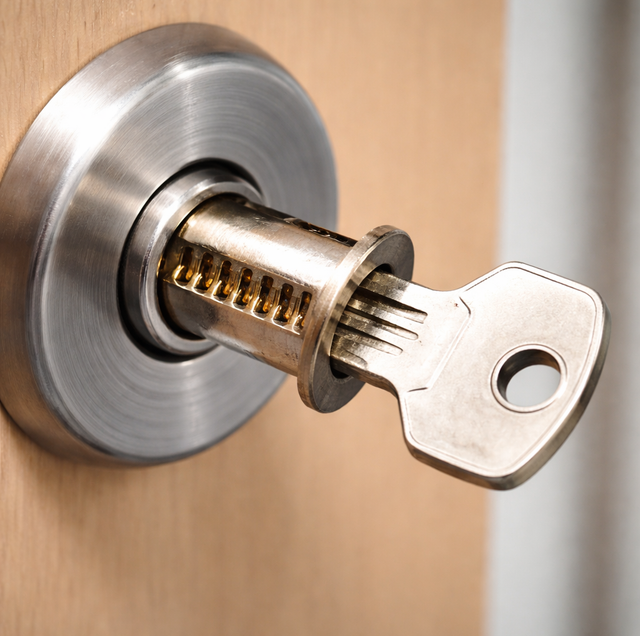
Quick Answer: A key that sticks or turns hard almost always means the pins inside the cylinder are no longer meeting the cuts on the key. That happens because the key is worn or bent, the cylinder is worn or fouled with grit and old grease, or the door has shifted so the bolt binds against the strike. Clean and dry-lubricate first, cut a fresh key from the original, and never force a jammed key, because it can break off inside the lock.
You slide the key in, give it the usual turn, and nothing moves. Or it moves, but only with a grind and a wrestle that makes you wonder how many more times the lock has left in it. A key that suddenly resists is not random. The lock is telling you that something inside the mechanism, or in the door around it, has drifted out of tolerance. The good news is that most of these faults are cheap and quick to correct once you know which one you are looking at.
Why A Key And Cylinder Stop Agreeing
A pin-tumbler lock works on tiny margins. Inside the cylinder sits a row of spring-loaded pin stacks, each split at a different height. When the correct key goes in, the peaks and valleys cut into the blade push every split to exactly the line where the inner plug can rotate. We are talking about tolerances measured in thousandths of an inch. Anything that changes the height of those cuts, or the height the pins expect, throws the whole row off and the plug refuses to turn.
That is the frame to keep in mind for everything below. A sticking key is a disagreement between the key and the pins. The question is only which side drifted, and why.
A worn or bent key: Brass keys are soft on purpose, so the lock outlasts them. Every insertion sands a little metal off the cuts. After a few years, the valleys are shallower than the day the key was cut, the pins sit slightly high, and the plug binds. A key that got bent in a pocket or used to pry open a paint can is worse, because the twist means the cuts no longer sit at the depth the pins expect along the length of the blade. If one key in a set of identical copies works fine and another fights, the fighting one is worn or bent, not the lock.
A copy of a copy: Every duplicate is traced from the key on the machine, and each tracing loses a hair of precision. Cut a copy from a copy from a copy and the errors stack until the cuts sit far enough off that the pins never quite line up. This is one of the most common reasons a key that "used to work" slowly stopped. The fix is not another duplicate. It is a fresh key cut from the original code or from the best surviving original, so the machine starts from an accurate reference again.
Grit, dust, and gummed lubricant: The keyway is an open slot facing the weather, and airborne dust, pocket lint, and fine grit ride in on the key. On its own, that grime slows things down. Combined with an old oil-based lubricant someone squirted in years ago, it turns into a sticky paste that coats the pins and the plug. The pins stop dropping freely, springs cannot reset between turns, and the key drags. A lock that is stiff in a slow, gummy way rather than a hard, metallic way is usually fouled rather than misaligned.
A worn cylinder: Sometimes the key is fine, and the cylinder itself is the tired part. Springs weaken, pin tips round off, and the plug wears where it rotates. A cylinder near the end of its life often works with a little jiggle and fails without it, and it tends to get pickier over months rather than failing overnight. When a brand-new key cut from the original still sticks, suspect the cylinder.
The door, not the lock: A deadbolt or latch is under no strain when the door sits square in the frame. Let the house settle, a hinge sag, or the door swell, and the bolt no longer lines up with the hole in the strike plate. Now turning the key also drags the bolt sideways against the metal edge of the strike, which feels exactly like a stiff lock. The tell is simple. If the key turns easily with the door open and only fights when the door is closed, the cylinder is innocent, and the alignment is the problem.
Temperature and moisture: Metal and wood both move with the weather, and they move in opposite seasons, which is why this problem never belongs to one time of year. In the hot, dry stretch of the year, heat expands the metal of the cylinder and swells a wood door in its frame so the bolt binds, while any oil-based lubricant thins and runs. In cooler months, the same lubricant stiffens and any moisture in the keyway can gum the pins. A lock that is hard only on the hottest afternoons or only on the coldest mornings is reacting to the weather, and a proper dry lubricant plus correct alignment usually settles it.
Fixing It Without Making It Worse
Start with the cheapest, least destructive step and stop as soon as the lock frees up.
Clean and dry-lubricate first: Use a dry lubricant made for locks, either powdered graphite or a PTFE-based spray. Puff or spray a small amount into the keyway, insert and withdraw a clean key several times to carry it onto the pins, then wipe the blade. Do not use household oil, penetrating spray, or cooking oil. Those hold dust and gum up the exact pins you are trying to free, and a lock treated with oil often gets stickier within weeks. If grit is the whole problem, a proper cleaning and dry lubricant fixes it in minutes.
Get a fresh key, cut from the original: If cleaning does not do it and one key behaves worse than another, retire the worn or bent copy. Have a new key cut from the original or from the manufacturer's key code rather than from a worn duplicate, so the cuts start from an accurate depth. A single clean cut often ends months of nagging stiffness for very little money.
Check the door alignment: Open the door and turn the key. If it moves freely with the door open but binds when closed, look at the strike plate. Fresh scrape marks on the plate or a bolt that does not slide cleanly into the hole point to a door that has shifted. Adjusting the strike or the door so the bolt centers in its opening removes the side load, and the key turns normally again.
Rekey or replace the cylinder: When a new, accurate key still sticks, the cylinder is worn out. You have two paths. Rekeying keeps the same lock body and swaps in fresh pins and springs so it accepts a new key, which is the right call when the hardware is otherwise sound and you also want old keys to stop working. Replacing the cylinder or the whole lock makes sense when the body is corroded, damaged, or simply old. A locksmith can tell you which is the better value for your specific hardware.
The One Thing Never To Do
Do not force a key that is stuck. A brass key under hard turning pressure will flex and then snap, usually leaving the broken half wedged deep in the plug where you cannot grip it. A door lock is only as strong as its weakest link, and forcing a bound key is like yanking harder on a stuck zipper: the extra force does not free it; it breaks it, and now you have a harder and more expensive problem. If a key will not turn with normal effort, stop, work the door and lube first, and if it still resists, call a professional before it breaks off. A snapped key can often be extracted cleanly by someone with the right tools, but only if the plug has not been chewed up by repeated forcing.
When To Call A Locksmith
Handle the easy cases yourself: clean and dry-lubricate, swap a worn key for a fresh cut, nudge a misaligned strike. Bring in a professional when a fresh, accurate key still sticks, when the key already snapped off, when the lock has visible corrosion or damage, when the same fault keeps returning after cleaning, or when you cannot tell whether the cylinder or the door is the culprit. A mobile locksmith can diagnose the mechanism on the spot and rekey, repair the alignment, or replace the cylinder in one visit, which is far cheaper than replacing a door that got damaged by weeks of forcing.
Frequently Asked Questions
It is a poor choice. WD-40 is a light penetrating oil and water displacer, not a lasting lubricant, and its oily residue attracts dust and hardens into the same gum that jams pins. If someone already sprayed oil into a lock, flush the keyway with an electronics-grade contact cleaner to strip the residue, let it dry fully, then apply a dry graphite or PTFE lubricant. Skipping the flush just traps the new powder in the old oil.
Once or twice a year for an ordinary residential lock is enough, and locks on dusty exterior doors or near driveways benefit from the higher end of that. Time it to a schedule you will remember, such as when you change smoke-detector batteries, and give the deadbolt a few turns with the door open afterward to spread the lubricant onto the pins rather than leaving it sitting in the keyway.
Intermittent operation usually points to a worn cylinder with rounded pins or weak springs, where the pins only occasionally settle to the shear line. It can also be a swollen door that binds only in certain weather or a lock that seizes as morning temperatures shift. Note the pattern: if it fails at a consistent time of day or in one season, suspect the door or temperature; if it fails randomly, suspect the cylinder.
It can be. A lock that only closes with a shove often means the deadbolt is not fully extending into the strike, so the door is not truly secured even though it feels shut. A bolt needs to throw its full length, typically a full one-inch projection on a residential deadbolt, to resist a kick. If yours will not throw all the way, the door is under-protected until the alignment is corrected.
Yes, and not only the metal. Sustained high temperatures dry out and bake off oil-based lubricants, expand the cylinder so tolerances tighten, and degrade the electronics inside keypad locks and car-key fobs, where heat shortens battery life and can warp plastic housings. Metal locks that stick only in peak heat usually recover once they cool, but repeated cycling accelerates wear on springs and pins over time.
Rekeying changes the internal pins so the lock accepts a new key while the lock body, faceplate, and hardware stay in place, which is the low-cost option when the hardware is sound and you want old keys voided, such as after a tenant moves out. Replacing swaps the entire lock and is warranted when the body is corroded, physically damaged, or you want a different grade or finish. A rekey typically takes a technician minutes per cylinder; a full replacement takes longer and costs more.
Book a mobile diagnosis before that stuck key snaps — a technician frees, rekeys, or replaces it in one visit. KwikPick Lock and Safe serves the Phoenix West Valley. Call (623) 300-1889.
