
The Evolution of Commercial Locksmith Technology for High-Security Facilities
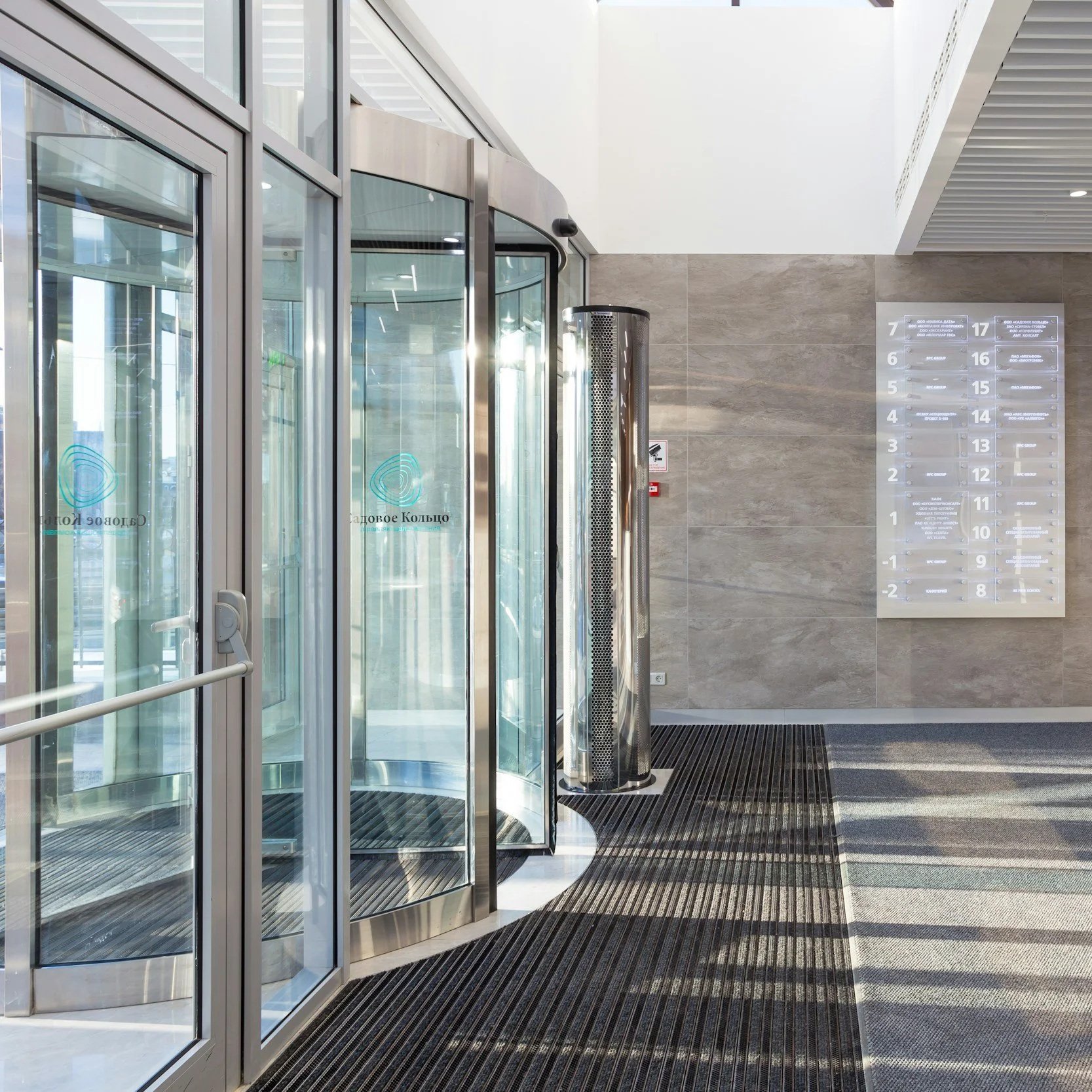
Today, security systems are more sophisticated, offering businesses a better level of protection against theft, unauthorized access, and various other security threats.
In an era where security is at the forefront of business operations, commercial locksmith technology has evolved significantly to meet the demands of high-security facilities. Gone are the days of traditional locks and keys. Today, security systems are more sophisticated, offering businesses a better level of protection against theft, unauthorized access, and various other security threats. From smart locks to biometric access controls, the evolution of commercial locksmith technology has transformed the way facilities protect their assets, employees, and sensitive information.
The Shift from Traditional Locks to Electronic Systems
Traditional lock-and-key systems have served their purpose for centuries. However, in today’s world, where advanced security risks exist, the limitations of these old systems have become apparent. The reliance on physical keys creates numerous vulnerabilities, from the risk of keys being duplicated without authorization to the danger of lost or stolen keys.
In response to these risks, commercial locksmiths have embraced the integration of electronic locking systems. These systems offer an amount of convenience, flexibility, and security that traditional locks simply cannot match. With the introduction of electronic locks, businesses no longer have to worry about missing keys or unauthorized access. These advanced systems allow for keyless entry and, in many cases, the use of cards, fobs, or mobile devices to gain access.
Electronic systems also allow for more precise control over who can access specific areas within a facility. By implementing access control systems, business owners and facility managers can grant or revoke access to employees, contractors, or visitors in real-time, offering greater control over the security of the premises.
Biometric Access Control: A Leap Forward in Security
Among the most significant advances in commercial locksmith technology is the use of biometric access control. Instead of relying on cards or codes that can be lost or shared, biometric systems use unique physical characteristics—such as fingerprints, retina scans, or facial recognition—to grant access.
Biometric systems provide an unmatched level of security. Since no two individuals have the same fingerprint or retina pattern, these systems are highly resistant to unauthorized access. The integration of biometric access control is especially useful for high-security facilities where sensitive data, expensive equipment, or classified information is stored. From tech companies to financial institutions, industries handling critical assets benefit from the heightened security provided by biometric systems.
Beyond security, biometric systems offer convenience. Employees and authorized personnel no longer need to worry about carrying access cards or remembering PIN codes. Their physical traits serve as the key, making entry smoother and faster while maintaining a strong security barrier against unauthorized individuals.
Mobile Access and Cloud-Based Solutions
In recent years, the integration of mobile devices into commercial locksmith technology has expanded the possibilities for access control. Mobile access solutions allow employees and authorized personnel to use their smartphones to unlock doors, gates, and other restricted areas within a facility. Instead of relying on physical access cards or fobs, users can simply use a mobile app or Bluetooth technology to gain entry.
Cloud-based systems further improve the efficiency and flexibility of access control in high-security environments. With cloud-based technology, businesses can manage access remotely, control security systems in real-time, and receive instant alerts for suspicious activity. Whether a business has multiple locations or a large number of employees, cloud-based locksmith solutions offer a centralized way to monitor and control security from virtually anywhere.
With these systems, businesses can easily update access permissions, monitor who enters and exits at any given time, and respond immediately to security breaches. Cloud-based solutions also make it easier to integrate other security measures, such as surveillance cameras, alarms, and even fire and emergency systems, into a unified security strategy.
Advanced Locking Mechanisms for Greater Protection
While the technology behind commercial locksmithing has advanced in terms of access control and monitoring, the physical locks themselves have also evolved. Modern high-security locks are designed to resist tampering, picking, and forced entry. These locks use advanced materials and innovative designs to provide the highest level of protection for businesses.
One such innovation is the use of magnetic locks, which provide a powerful security barrier that is nearly impossible to bypass without authorization. Magnetic locks, paired with access control systems, offer a smooth and reliable way to secure entry points without compromising security. These locks are especially popular in facilities that need to maintain a high level of security, such as government buildings, research labs, and financial institutions.
Another example of advanced lock technology is the smart lock, which integrates with digital systems to provide remote monitoring, activity logging, and customizable access levels. Smart locks are often used in conjunction with other security technologies like alarm systems, motion detectors, and surveillance cameras to provide businesses with an all-encompassing approach to security.
Adapting to the Changing Security Landscape
As technology continues to advance, the role of commercial locksmiths evolves to keep up with the changing security landscape. The shift toward digital and cloud-based solutions has led to a rise in demand for locksmiths who are well-versed in installing, maintaining, and troubleshooting complex electronic systems.
Locksmiths today must possess a unique set of skills that combines traditional locksmithing with an understanding of cutting-edge technologies. They are required to have expertise in electronic access control, biometric systems, smart locks, and mobile integration. As businesses become more reliant on technology, commercial locksmiths are tasked with providing customized solutions that fit the specific security needs of each facility.
Locksmiths help businesses install these high-tech systems and play a crucial role in ongoing maintenance, guaranteeing that access control systems continue to function as intended and that all security features remain up to date. They also offer valuable insights into optimizing security practices, performing risk assessments, and implementing solutions that meet the unique requirements of each business.
Future Trends in Commercial Locksmith Technology
As security threats continue to evolve, commercial locksmith technology advances. The future of high-security facilities may include even more sophisticated biometric systems, artificial intelligence-based surveillance, and even further integration with smart devices in the workplace. Businesses can continue to adopt more robust, flexible, and convenient security measures that meet the growing demands for protection and ease of access.
In conclusion, the evolution of commercial locksmith technology has drastically changed the way businesses protect their assets and employees. From keyless entry systems to biometric access controls, the advances in security solutions offer better protection and increased convenience for high-security facilities. As technology continues to improve, locksmiths can continue to play a vital role in securing businesses with innovative solutions built to meet the ever-changing security landscape.
Kwik Pick Lock and Safe offers a complete, one-stop solution for professional locksmith services in Sunrise, AZ, including auto locksmith, residential locksmith, security door installation, commercial locksmith, or safes and vaults solutions. Our experienced team services homes, businesses, and vehicles with a focus on safety, rapid response, and dependable security. Whether you need emergency lockout assistance or a full security upgrade, we provide free lockout service for children or pets and trusted locksmith expertise. Secure your property today and get fast, reliable help when it matters most.
