
Avoiding Lockouts During the Coldest Months With Preventive Maintenance
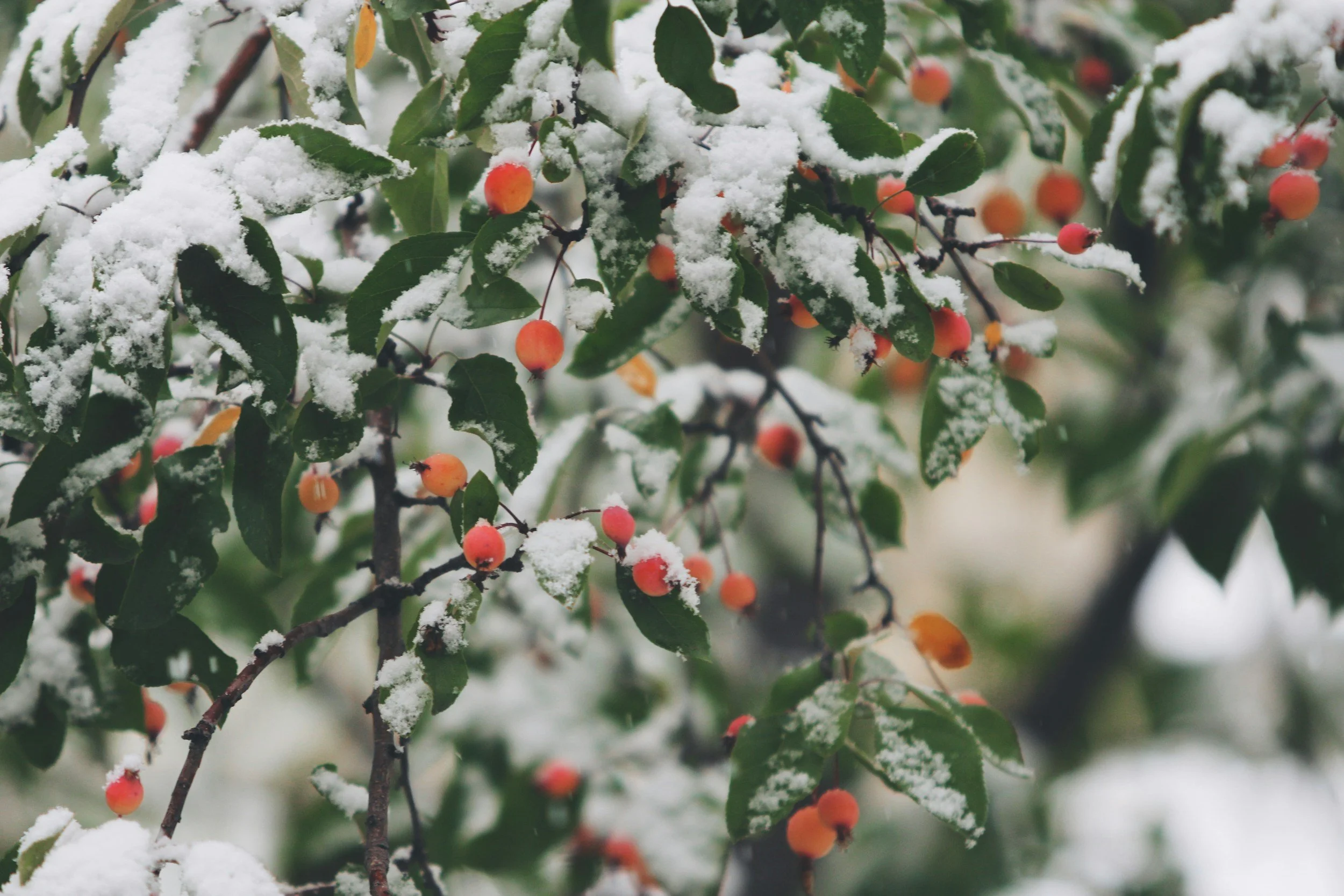
Professional preventative maintenance helps reduce those risks, keeping locks dependable even when the temperatures drop.
Winter arrives with freezing temperatures, icy winds, and a long list of seasonal challenges that complicate daily routines. Among those challenges, lockouts stand out as one of the most inconvenient and stressful problems for homeowners, drivers, and property managers. Cold weather disrupts more than comfort. It affects how locks, keys, and electronic entry systems function, creating situations where a simple turn of a key becomes unexpectedly difficult. Professional preventative maintenance helps reduce those risks, keeping locks dependable even when the temperatures drop.
Preparing locks and entry systems before winter settles in provides both peace of mind and a practical layer of protection. Professional locksmiths understand how cold weather affects mechanical and electronic components, and they offer tailored solutions that help keep homes, vehicles, and businesses accessible throughout the harshest months. With colder temperatures, snow, and moisture, small issues can quickly turn into big frustrations. Planning ensures locks continue to work smoothly without forcing anyone to deal with a frozen lock on a dark, frigid morning.
Preventing Frozen Locks
As temperatures plunge, any moisture inside a lock can freeze, clogging important internal components. Once ice forms, keys no longer glide in as easily or turn as smoothly, if they turn at all. Relying on professional maintenance before winter dramatically lowers the likelihood of this problem. Locksmiths apply the right lubricants, using high-quality graphite or silicone-based options that support movement without attracting dust. These specialized lubricants help protect the cylinder and internal pins from freezing, ensuring locks continue to function consistently.
Cold weather also reveals weaknesses in older or neglected locks. A professional inspection identifies cylinders that are beginning to stick, latches that no longer align correctly, and internal components that show early signs of wear. When these issues go unnoticed, they worsen once winter moisture enters the lock. Addressing minor concerns early helps protect the entire locking mechanism from slow or sudden failure. By addressing vulnerability before winter weather intensifies, frozen lock incidents decrease significantly.
Keeping Keys in Working Condition
Keys experience stress during winter that often goes unnoticed until a break occurs. When metal contracts in cold weather, a small crack or bend weakens the structural integrity of a key. This increases the likelihood of a lock snapping, creating a stressful situation that often requires professional extraction. A locksmith examines keys for subtle signs of damage, replacing weakened keys long before winter conditions push them to the breaking point.
When dealing with keyless entry systems, battery performance becomes equally important. Cold temperatures drain battery power more quickly, causing key fobs or keypads to become sluggish or stop working altogether. A locksmith can test battery health and replace failing batteries with reliable options that withstand colder temperatures. Keeping spare batteries in a warm location prevents surprise failures. Professional guidance helps home and vehicle owners understand early signs of battery issues, improving reliability throughout winter.
Protecting Car Locks From Ice
Vehicles experience more exposure to the elements than homes or businesses, making car locks especially vulnerable to winter conditions. Snow, sleet, freezing rain, and condensation can cause moisture to settle deep inside car door locks. When temperatures plunge overnight, the locks freeze. The result is difficulty opening the door or a complete inability to insert or turn the key.
A locksmith can apply protective treatments that help repel moisture from entering the lock mechanism. These solutions work more effectively and last longer than temporary household fixes. When frost or ice has already formed, a professional-grade lock de-icer resolves the issue quickly without adding additional moisture that could refreeze. Locksmiths also advise car owners on safe emergency methods that avoid damaging modern vehicle security systems. Simple actions such as warming a key with body heat before using it help in mild cases, but persistent freezing often signals that the lock needs professional servicing.
Maintaining Smart Locks and Keyless Entry Systems
Smart locks offer convenience year-round, but winter weather introduces challenges that mechanical locks do not. Low temperatures reduce the performance of standard alkaline batteries, often resulting in unexpected lockouts. Lithium batteries handle cold weather significantly better, and professional locksmiths recommend and install them to enhance reliability during winter.
Touchscreens and keypads also react negatively to extreme cold. Moisture from condensation or melting snow can cause sensors to malfunction. A locksmith inspects and cleans these surfaces using appropriate materials that do not damage sensitive components. They also check internal wiring, update firmware when needed, and confirm that the system responds correctly to temperature fluctuations.
When smart locks begin to show early signs of weather-related issues, a professional can diagnose the underlying cause before it escalates into a full system failure. That expertise keeps electronic entry systems functioning as expected even when temperatures plummet.
Checking Door Alignment and Weather Stripping
Doors expand and contract with changing temperatures, especially when winter arrives suddenly. A misaligned door puts stress on the lock, making it harder for the bolt or latch to seat correctly. When the alignment continues to shift throughout the winter season, the strain on the lock increases, leading to premature wear or complete failure.
A locksmith inspects both the door and the lock to determine whether alignment problems are contributing to entry difficulties. They can adjust hinges, tighten loose hardware, and realign strike plates to restore smooth operation. Weather stripping is another key factor that protects locks by preventing drafts and moisture from entering the door frame. Professional-grade weather stripping supports insulation and keeps locks operating smoothly without overworking the mechanism. Many property owners notice that locks become easier to operate immediately after alignment corrections and properly installed door seals.
Planning for Emergency Situations
Even with diligent maintenance, winter conditions sometimes lead to unexpected lockouts. Planning ahead reduces the severity and stress of these moments. A locksmith can assist in developing an emergency strategy, including creating secure spare keys, setting up reliable key storage solutions, and providing recommendations for trusted emergency contacts.
Keeping a locksmith’s phone number accessible avoids wasted time searching for help during a lockout. Professionals also advise on safety precautions to follow while waiting in cold weather, especially in areas where temperatures drop quickly at night. For commercial properties, having emergency access plans supports both safety and operational continuity. These plans help business owners decide where spare keys should be stored, how entry should be managed during storms, and what steps to take if employees experience lockouts.
Working With a Locksmith for Winter Preparation
Partnering with a professional locksmith before winter brings long-term benefits for homes, vehicles, and businesses. A locksmith provides thorough inspections that cover each component of a lock, from internal mechanisms to exterior hardware. This professional attention allows potential problems to be identified early and corrected before severe weather magnifies them.
Many locks are not designed to perform optimally in extreme cold, but upgrading to weather-resistant models can significantly improve performance. Locksmiths recommend locksets that withstand harsh temperatures without sticking or freezing, providing property owners with a reliable option for winter months. They also provide rekeying services, lubrication treatments, and complete system evaluations that keep entry points functioning smoothly.
For properties that use advanced security, a locksmith offers maintenance for keypads, biometric locks, and smart entry systems. This includes checking wiring, updating software, inspecting battery performance, and protecting sensitive components from condensation and ice. Combined with professional weatherproofing techniques, this maintenance provides confidence that winter conditions will not interrupt normal access.
When planning improvements, a locksmith considers local winter patterns as well as the specific needs of the home or business. That geographical awareness helps avoid common problems that occur in areas with prolonged cold or frequent snowfall. Professional insight into climate-related lock issues supports both safety and convenience, especially for those who depend on consistent entry throughout winter.
Winter brings enough challenges without adding lockouts to the daily routine. Preventative maintenance handled by a professional locksmith keeps locks functioning at their best, reducing the chance of being stuck outside during freezing weather. Winterproofing both mechanical and electronic entry systems significantly improves reliability. With preparation, expert guidance, and an emergency plan in place, navigating the coldest months becomes more manageable and far more comfortable.
Kwik Pick Lock and Safe offers a complete, one-stop solution for professional locksmith services in Sunrise, AZ, including auto locksmith, residential locksmith, security door installation, commercial locksmith, or safes and vaults solutions. Our experienced team services homes, businesses, and vehicles with a focus on safety, rapid response, and dependable security. Whether you need emergency lockout assistance or a full security upgrade, we provide free lockout service for children or pets and trusted locksmith expertise. Secure your property today and get fast, reliable help when it matters most.
