
Keyless Entry
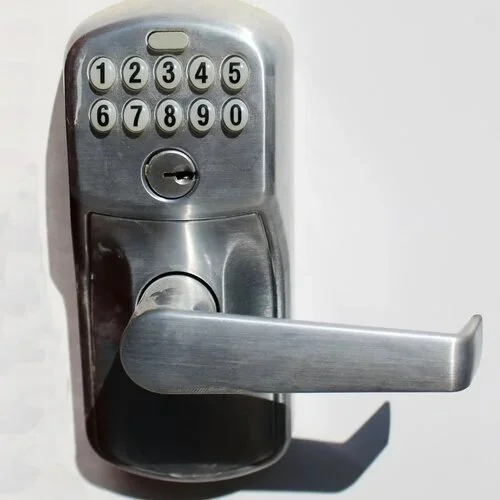
Whether managing a short-term rental, controlling employee access, or keeping your family safe, keyless systems deliver smart and scalable security solutions.
In our previous discussion about keeping rental properties secure, we highlighted the importance of rekeying locks after each tenant. Rekeying remains one of the most reliable ways to maintain security for rental owners and property managers. However, in situations where occupants are temporary, access needs to be controlled, or convenience is a top priority, traditional locks may not be the ideal solution.
That’s where keyless entry systems come into play. These systems have transformed how homeowners, landlords, and businesses control access to their properties. They combine cutting-edge technology with convenience, safety, and flexibility to create a modern approach to security.
Keyless locks are not only about convenience—they also offer advanced control, superior accountability, and improved protection. Whether managing a short-term rental, controlling employee access, or keeping your family safe, keyless systems deliver smart and scalable security solutions.
Control
Modern keyless entry systems come in various designs tailored for residential, commercial, and industrial use. These systems remove the need for traditional metal keys, replacing them with advanced authentication methods such as keycards, key fobs, PIN codes, or mobile access credentials.
One of the most familiar types of keyless entry systems is the card key lock. These are commonly found in hotels, office buildings, and high-security areas. Each user is issued a unique access card that contains a magnetic stripe or an embedded chip. When the card is swiped or tapped against the reader, it communicates electronically with the lock to grant entry.
A similar system uses key fobs, which are small electronic devices that transmit a coded signal to unlock doors. Key fobs have become increasingly popular in residential applications, especially in gated communities, apartment buildings, and modern vehicles.
For larger facilities or properties that need more advanced access management, mobile access systems offer even greater control. These systems store credentials securely in the cloud and can grant or revoke access remotely. Authorized users can unlock doors using their smartphones or smartwatches via Bluetooth, RFID, or Wi-Fi.
This level of digital control allows property owners and managers to monitor and adjust access privileges in real time. If an employee leaves the company or a tenant’s lease expires, access can be revoked instantly without changing locks or tracking down physical keys.
Professional locksmiths who specialize in electronic and access control systems can help design, install, and maintain these systems to meet each property’s unique needs—confirming seamless operation and maximum security.
Convenience
The convenience offered by keyless entry systems is one of the main reasons they’re rapidly replacing traditional locks. For families, businesses, and property managers alike, the ability to enter a property without searching for keys is a significant advantage.
For homeowners, digital keypads and smart deadbolts offer an efficient and user-friendly way to manage access. Digital deadbolts are particularly popular because they allow entry via a numeric code rather than a physical key. Most models also include one-touch locking, ensuring doors are always secure without a key or even a phone.
Parents often find keyless systems to be a perfect solution for children or teenagers. Kids tend to misplace physical keys easily, but remembering a short code is second nature. Having a single family code fosters a sense of shared responsibility and security, while the ability to change or delete codes offers flexibility as children grow or circumstances change.
For property managers or Airbnb hosts, digital keypad locks make it easy to manage short-term or temporary access. Each guest can be given a unique access code that expires automatically after checkout. This eliminates the need to exchange physical keys and reduces the risk of unauthorized entry.
Locksmiths who specialize in smart lock installation can help set up these systems to balance convenience with maximum safety. They can also recommend keypad models that integrate with existing alarm systems or home automation hubs for additional control and monitoring.
Security
From a security standpoint, keyless entry systems are among the most reliable and modern advancements available. Unlike traditional locks, which can be picked, bumped, or duplicated, keyless locks rely on coded access credentials that are difficult to replicate.
One of the most significant vulnerabilities of a traditional key system is the key itself. Keys can be lost, stolen, or copied without the owner’s knowledge. A keyless entry system removes this risk entirely. Access is granted based on a digital or electronic code—one that can be tracked, changed, or deleted instantly.
For example, commercial keyless systems can record entry logs, allowing property owners to monitor who accessed specific doors and when. This audit trail enhances accountability and helps deter unauthorized use.
Some keyless locks also feature two-factor authentication, requiring a combination of access methods (such as a PIN and a smartphone signal) before unlocking. These advanced systems offer an additional layer of protection against hacking or forced entry attempts.
Residential smart locks can also integrate with existing home security systems, sending alerts when someone enters or exits the home. Some models even offer remote locking and unlocking, allowing homeowners to grant temporary access to service providers, family members, or guests from anywhere.
Professional locksmiths are trained to install and configure these systems for both homes and businesses. They make sure that every component—from the digital lock mechanism to the power supply and software configuration—operates securely and efficiently.
Flexibility and Integration
One of the defining advantages of keyless entry technology is its ability to integrate with other security systems. Keyless locks can connect with alarm systems, surveillance cameras, and smart home devices for complete control from a single platform.
For businesses, this means centralized management of multiple entry points across different buildings or departments. Property managers can control and track access across multiple rental units through a single, secure cloud-based dashboard.
For homeowners, integration brings convenience and peace of mind. Imagine being able to check your security cameras, arm your alarm, and lock your doors—all from your smartphone. Many keyless systems now work seamlessly with voice-activated assistants such as Alexa, Siri, or Google Home.
As technology evolves, locksmiths and security specialists play a critical role in verifying that these systems are properly configured, maintained, and updated. Their expertise guarantees compatibility with your existing infrastructure while minimizing potential security gaps.
The Transition from Keys to Keyless
Despite the rise of keyless systems, many homes and businesses still rely on traditional keyed locks. There’s nothing wrong with using a physical key, especially when paired with high-quality deadbolts and hardware. However, keyless locks offer enhanced control and monitoring capabilities that traditional systems can’t match.
If your current locks provide the security and convenience you need, there’s no reason to replace them immediately. But as the demand for smarter, more connected systems continues to grow, upgrading to keyless entry can be a worthwhile investment for both safety and convenience.
Professional locksmiths can assist with the transition by assessing your current doors and recommending systems compatible with your existing hardware. Whether you want a simple digital keypad or a fully integrated access control network, locksmiths can ensure that installation and configuration meet all safety and compliance standards.
Benefits of Keyless Entry Systems
Keyless entry technology offers a wide range of benefits that go beyond simply unlocking doors. Some of the key advantages include:
Enhanced security through code-based or digital access instead of physical keys
Elimination of rekeying costs when tenants or employees leave
Customizable access for multiple users with specific time-based permissions
Improved monitoring through access logs and usage reports
Integration with alarms, cameras, and automation systems for full control
Increased convenience with one-touch or remote access
By combining advanced technology with professional installation, locksmiths secure keyless systems operate seamlessly while providing the highest level of protection.
Professional Locksmith Services for Keyless Systems
Implementing a keyless entry system should always involve professional locksmith expertise. Installing these systems often requires electrical knowledge, system calibration, and precise configuration to confirm reliability.
A professional locksmith can help you:
Choose the right type of keyless system for your home or business.
Integrate new locks with your existing doors and hardware.
Program and customize user access levels.
Provide ongoing maintenance, reprogramming, and system updates.
Offer troubleshooting and repair services if an issue arises.
Working with a licensed locksmith ensures the installation is done correctly and securely. It also provides access to continued support, ensuring your keyless system remains dependable for years to come.
Urgent & Practical FAQ: Keyless Entry Systems
What is a keyless entry system?
A keyless entry system allows doors to be locked and unlocked electronically using keypads, fobs, access cards, or mobile devices instead of traditional keys.
Are keyless entry locks more secure than traditional locks?
Yes. Keyless systems remove the risks of lost or duplicated keys and can provide access logs, remote control, and multiple authentication layers for enhanced security.
Can keyless entry systems be installed on any door?
In most cases, yes. A professional locksmith can assess your door and recommend a compatible system. Some doors may require minor modifications for proper installation.
What happens if the power or battery dies?
Most keyless locks have backup power options or manual override features. A locksmith can guide you on maintaining your system and replacing batteries before they fail.
Can keyless entry systems be hacked?
While no system is entirely immune, high-quality keyless systems use encryption and advanced security protocols to minimize hacking risks. Working with a professional locksmith confirms your system is configured correctly for safety.
Can I manage multiple properties with a keyless system?
Yes. Many cloud-based keyless entry platforms allow property managers and businesses to control multiple locations from a single interface.
Do I need Wi-Fi for a keyless entry lock?
Not always. Some models use Bluetooth, RFID, or offline PIN systems. However, Wi-Fi-enabled models offer more flexibility for remote access and monitoring.
Key Takeaways
Keyless entry systems represent the future of home, rental, and commercial property security. They provide unmatched convenience, security, and flexibility for managing access while removing the vulnerabilities of traditional keys.
Whether you’re a homeowner looking to simplify entry, a landlord managing multiple tenants, or a business seeking advanced access control, a professional locksmith can help design the ideal system for your needs.
Keyless entry technology continues to evolve—offering smarter, safer, and more connected solutions every year. With expert installation and maintenance, these systems not only protect your property but also deliver long-term convenience and peace of mind.
