How Safe Manufacturers Rate Fireproofing and Why Not All Safes Are Created Equal
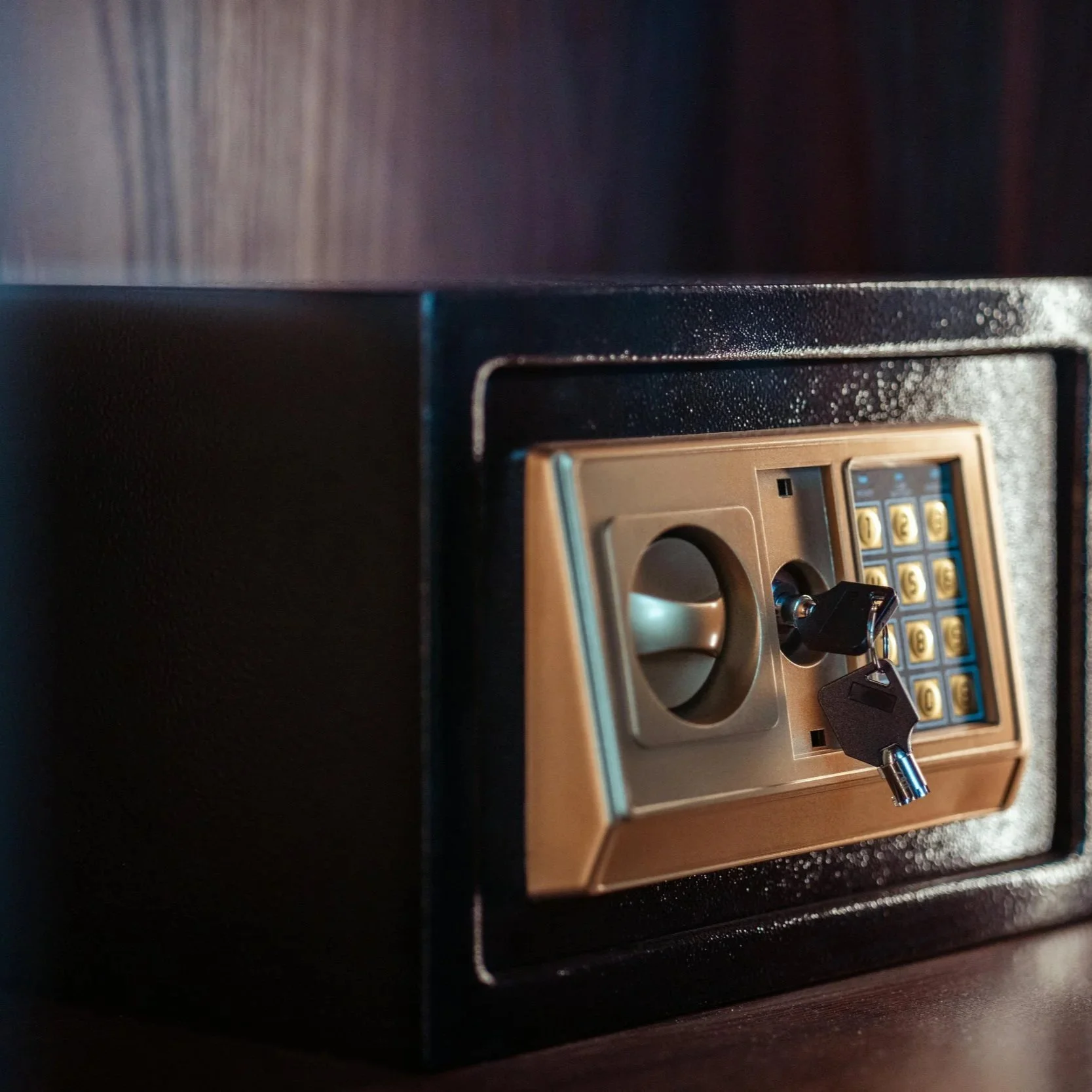
While many safes claim to be fireproof, the level of protection they offer can vary dramatically.
When it comes to safeguarding your valuable items, few things are as crucial as having a reliable safe. However, not all safes are created equal, especially when it comes to fire protection. Safe manufacturers rate fireproofing based on various factors, and understanding these ratings can help you choose the right safe to safeguard your belongings. While many safes claim to be fireproof, the level of protection they offer can vary dramatically. By diving into how fireproofing works and the standards used to rate it, you'll have a better understanding of what it truly takes to protect your valuables from the devastation of fire.
Understanding Fireproof Ratings
The fireproof rating of a safe is determined by how long it can withstand high temperatures without allowing its contents to suffer heat damage. These ratings are often given in terms of time, such as 30, 60, or 120 minutes. The longer a safe can withstand extreme heat, the higher its rating. Fire ratings are assigned based on testing that involves placing the safe in a simulated fire environment and monitoring its internal temperature. The objective is to determine how long the safe can maintain its internal temperature below a critical threshold, typically around 350°F (177°C), the temperature at which most paper documents will begin to burn.
The fireproof rating of a safe can vary depending on the materials used in its construction, the design of its locking mechanism, and the thickness of its walls. The key to protecting your valuable items from fire lies in the safe's ability to maintain its interior temperature within safe limits, even under extreme conditions.
Industry Standards for Fireproof Safes
Several organizations and standards set the guidelines for fireproof ratings in safes. One of the most widely recognized is Underwriters Laboratories (UL), a third-party organization that tests and certifies fireproof safes. UL uses a variety of tests to determine how long a safe can resist fire while keeping the interior temperature below 350°F. The UL 72 standard, for example, categorizes fireproof safes into different classes based on the length of time they can withstand a fire.
UL fireproof ratings typically include:
One-hour rating: The safe can withstand fire for up to one hour before the temperature inside exceeds safe limits.
Two-hour rating: The safe can withstand fire for up to two hours.
Four-hour rating: The highest level of fire protection, designed for environments with extreme fire risks.
While UL certification is widely recognized, some manufacturers may use other testing procedures or certifications. However, it's crucial to rely on reputable testing organizations to verify the fireproofing claims of any safe you're considering.
Fireproofing Construction and Materials
Not all safes offer the same level of protection, and much of that depends on the materials used in their construction. Many fireproof safes use insulating materials, such as gypsum or concrete, in their walls to protect the contents. The thickness of the walls and the layers of insulation can significantly impact the safe's ability to resist heat.
A safe with a higher fireproof rating will typically feature thicker walls and more advanced insulating materials. These safes are built to withstand a fire, keeping your valuables safe for longer. In contrast, a cheaper, lower-rated safe may have thinner walls and less-effective insulation, providing minimal protection against extreme temperatures.
It's also important to note that the safe's design plays a role in its fire resistance. The construction must be seamless, with well-sealed joints and a secure door mechanism that prevents heat from entering the interior. Cheaply made safes may have weak seals or poor craftsmanship that allows heat to infiltrate, compromising the fireproofing capabilities.
Not All Safes Are Fireproof
It's crucial to understand that the term "fireproof" is not always as clear-cut as it sounds. No safe is entirely fireproof. What manufacturers usually mean by fireproof is that the safe is designed to withstand fire for a limited period, not that it will withstand an inferno indefinitely. Even high-quality safes with the highest fire ratings can only withstand for a limited time before their interior temperature rises beyond the safe threshold.
Many safes on the market are labeled fire-resistant, meaning they offer some level of protection against fire but are not built to withstand extreme heat for an extended period. These safes are generally not tested or rated for fire protection, which means you may be taking a risk by relying on them for long-term protection.
It's essential to match the fire rating to your needs. If you're looking to protect paper documents or items that are vulnerable to high heat, a UL-rated fireproof safe is an excellent investment. If you need to safeguard items like electronics or metals, you might need a more specialized safe, such as one with a fire-resistant rating tailored for specific materials.
Fireproofing and Security Go Hand in Hand
Fireproofing is only one aspect of a safe's overall performance. Security is another critical factor to consider when choosing a safe. While a safe may offer excellent fire protection, it might not have the security features needed to protect against theft or unauthorized access. As locksmiths, we always emphasize that a well-rounded safe should combine robust fire protection with effective security features, such as advanced locking mechanisms, tamper-proof construction, and quality materials that withstand both fire and forced entry.
When evaluating a safe, it's essential to consider your overall security needs. The best fireproof safes offer a combination of features that protect against fire and theft, making them versatile and valuable investments for anyone looking to safeguard their valuables.
Choosing the Right Safe for You
Choosing the right safe for your valuables ultimately depends on what you need to protect and the level of fire protection you're seeking. If fire resistance is a top priority, consider safes tested and rated by organizations like UL to give you the peace of mind that your important documents or valuables are protected during a fire.
Working with a locksmith to choose a safe that fits your unique needs can make all the difference in selecting a product that offers both fire protection and security. Whether you're looking to protect personal documents, cash, jewelry, or sensitive business information, there's a fireproof safe designed for your needs.
Conclusion
Fireproof safes play a crucial role in protecting your belongings from devastating fires. However, not all safes are made equally when it comes to fire protection. Understanding the fireproof ratings and the materials used in the construction of a safe will help you make an informed decision when purchasing one. By considering both fire resistance and security features, you can ensure your valuable items are well protected against both fire and theft. Whether you're securing documents, cash, or irreplaceable family heirlooms, a quality fireproof safe can offer you peace of mind in times of uncertainty.
Kwik Pick Lock and Safe offers a complete, one-stop solution for professional locksmith and safe services, including residential safes, business safes, key duplication, 24 hour locksmith, and eviction locksmith services. Our licensed and top-rated team services homes and businesses with a focus on dependable security, transparent pricing, and long-term reliability. Whether you need emergency locksmith assistance or secure safe installation, we provide honest rates and on-time service you can trust. Book your locksmith service today and get prompt, professional help when you need it.
