Guide to Buying a Safe
A safe is one of the most effective ways to protect valuables, important documents, firearms, or family heirlooms.
A safe is one of the most effective ways to protect valuables, important documents, firearms, or family heirlooms. Whether for a home or business, buying the right safe is an important investment in both security and peace of mind.
However, not all safes are created equal. Different models are designed to protect against specific threats such as burglary, fire, or water damage. The vast number of options in the market can make it challenging to decide which one is best for your needs.
As professional locksmiths and safe specialists, we help homeowners and businesses choose and install the right safe to meet their security needs. Below is a comprehensive guide to buying a safe — including what to look for, how safes differ, and how to make sure it provides lasting protection.
Understanding the Safe's Purpose
The first and most critical step in buying a safe is determining what it will protect. Safes vary greatly depending on whether you're storing cash, jewelry, firearms, sensitive documents, or digital media.
For example, a fireproof safe may protect important papers during a fire, while a burglary-rated safe focuses on resisting forced entry. A gun safe, on the other hand, is built to secure firearms and prevent unauthorized access while remaining compliant with local firearm storage regulations.
Think about how frequently you'll access the safe. If you plan to use it daily, you'll want a locking mechanism that balances convenience and security. For safes that are accessed less often — such as those used for long-term document or heirloom storage — you might prefer heavier materials and more secure bolts.
It's also important to plan. Safes often fill up faster than expected. Many homeowners regret buying a smaller model, so we recommend choosing a slightly larger one than your immediate needs require.
Keep in mind that a safe's exterior dimensions do not match its internal storage space. The thick walls and insulation layers reduce internal volume, especially in fire-rated safes.
A locksmith or safe technician can help you measure your space and determine the size that best fits your needs, without sacrificing accessibility or placement flexibility.
Types of Safes and Their Features
Safes are categorized by their intended purpose and the type of protection they offer. Understanding these variations helps you select the best product for your home or business.
Burglary safes are designed to resist forced entry using tools such as crowbars, hammers, or drills. They are built with heavy steel doors, reinforced bolts, and pry-resistant features. These are ideal for securing jewelry, cash, or confidential documents.
Fire safes protect contents from high heat and smoke damage. They typically contain insulation layers that keep interior temperatures below the ignition point of paper or electronics for a specific time — usually 30 minutes to two hours.
Gun safes are required by law in many states for firearm owners. They feature reinforced steel construction, tamper-resistant hinges, and customizable shelving or racks for weapons and ammunition.
Wall safes are installed directly between wall studs and are ideal for hiding behind artwork or furniture. They provide moderate burglary resistance and are best suited for small valuables.
Floor safes are bolted into concrete flooring, making them nearly impossible to move or tamper with. These safes offer excellent security for both homes and commercial settings.
Data and media safes are designed to protect electronic devices, hard drives, or flash storage from both fire and magnetic damage. They maintain lower interior temperatures than standard fire safes, making them ideal for storing digital records.
A professional locksmith can explain the pros and cons of each type and recommend safes certified for your intended use.
Understanding Locking Systems
A safe's locking system plays a critical role in determining its overall security. It affects both the protection level and the ease of access. Professional locksmiths typically work with three main categories of locking systems: combination locks, digital locks, and biometric locks.
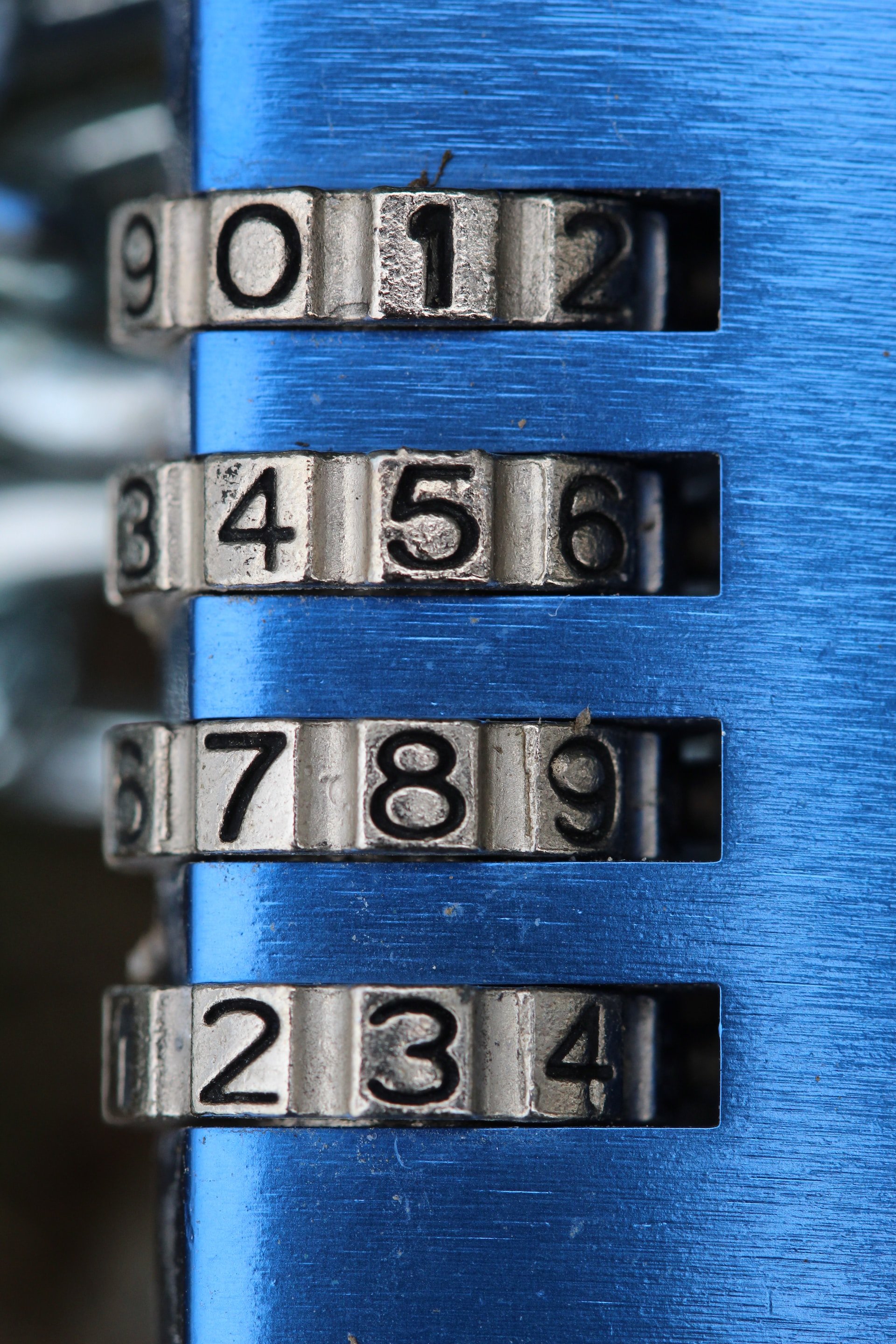
Combination locks are the classic mechanical locks that require turning a dial through a series of numbers. They are durable, reliable, and do not rely on batteries or power sources. However, they can take longer to open, which may be inconvenient for frequent access.
Digital or pin code locks are battery-operated systems that use numeric keypads. They allow quick access via a personalized PIN code and can include features such as multiple user codes or time-delay functions for added security. Some models also include backup keys in case the electronic system fails or the batteries die.
Biometric locks use fingerprint recognition or, in some cases, retinal or facial scanning. These are among the most secure and convenient options because access is limited to registered users. They are ideal for safes that require both quick and frequent access.
When choosing a locking system, consider who will use the safe and how often. For shared access — such as in a business environment — digital or biometric systems are often preferable because they can track entries and restrict certain users.
Industry-Standard Certification and Ratings
A safe's strength and performance should be verified through official certifications. This ensures it meets industry standards for burglary and fire resistance.
Look for safes certified by Underwriters Laboratories (UL), a recognized authority in testing and rating safes. UL-rated safes undergo rigorous tests, including fire exposure, forced-entry attempts, and drop impacts.
For example:
UL TL-15 and TL-30 safes are designed to withstand professional burglary attempts for 15 or 30 minutes, respectively, using common tools.
UL Class 350 fire ratings indicate how long paper documents inside the safe will remain intact during a fire (e.g., one hour or two hours).
Another credible testing organization is Intertek (ETL), which issues certifications for fire and water resistance.
When purchasing a safe, verify that its label or documentation clearly shows certification details. Professional locksmiths and safe dealers can help interpret these ratings and match them to your needs.
Considering the Safe's Construction and Materials
A safe's durability is primarily determined by its construction materials. High-quality safes use thick, solid steel walls and doors rather than thin sheet metal or hollow panels.
Safes with multi-layer steel construction and composite barriers offer superior resistance to cutting, drilling, and prying. The locking bolts — the metal rods that secure the door — should be thick, solid, and placed on multiple sides of the door for maximum strength.
For fire safes, insulation materials between the inner and outer walls play a vital role. Look for safes with poured concrete or fireboard insulation for effective heat resistance.
Professional locksmiths can evaluate a safe's construction quality and confirm it meets your intended security level, whether for residential or commercial use.
Placement and Installation
Even the strongest safe loses effectiveness if installed incorrectly or in an exposed location. Choosing the right spot for your safe is crucial for both accessibility and security.
Safes should be installed in a discreet yet easily accessible location for authorized users. For residential homes, common installation areas include master bedroom closets, home offices, or basements. For businesses, safes are often installed in back offices or near cashier stations.
There are several installation methods to consider:
Wall-mounted safes: secured between wall studs and covered by drywall or cabinetry.
Floor-mounted safes: bolted directly to concrete or reinforced flooring for high resistance to theft.
Freestanding safes: can be anchored to floors or walls, but should still be positioned to minimize visibility.
Because improper installation can void manufacturer warranties or reduce security, it's always recommended to have your safe installed by a professional locksmith or safe technician.
Working With a Professional Locksmith or Safe Expert
Buying a safe involves more than just picking a model online. A locksmith can provide professional guidance on selecting the right safe based on security ratings, space availability, and specific needs.
Locksmiths can also make sure your safe is installed correctly, appropriately calibrated, and functioning securely. For electronic or biometric locks, they'll program access codes or user profiles and show you how to operate and maintain the system safely.
Many locksmiths also offer safe opening, repair, and maintenance services in case you forget a combination, experience a lock malfunction, or need to move the safe to a new location.
By working with a trusted local locksmith, you not only get the right product but also ongoing support to maintain it for years.
Common Mistakes to Avoid When Buying a Safe
Many homeowners make the mistake of purchasing safes based solely on price or size. Here are some common pitfalls that professionals help clients avoid:
Buying a safe that is too small or lacks room for future storage.
Choosing an uncertified safe that hasn't been tested for burglary or fire resistance.
Installing a safe in a prominent or vulnerable location.
Neglecting to consider the locking mechanism's power source (such as batteries in electronic locks).
Failing to anchor the safe securely makes it easier for burglars to remove it entirely.
A professional locksmith helps avoid these mistakes by providing expertise and hands-on assistance from start to finish.
Maintaining Your Safe
Once installed, proper maintenance ensures long-term reliability. Mechanical locks should be serviced periodically to prevent jamming, while electronic locks require battery replacements every six to twelve months.
Keep the interior clean and dry to avoid moisture buildup, especially in fire or data safes. If your safe is located in a humid area like a basement, consider using silica gel packs or a dehumidifier rod inside.
Professional locksmiths also recommend scheduling routine inspections every few years to test the locking mechanism, ensure the bolts engage correctly, and verify that the safe door seals tightly.
Frequently Asked Questions About Buying and Installing Safes
What type of safe should I buy for my home?
It depends on what you plan to store. For important documents, choose a fireproof safe. For cash and valuables, opt for a burglary-rated safe. A locksmith can help assess your specific security needs.
Where is the best place to install a safe?
Ideally, your safe should be hidden but still accessible to you. Common locations include bedroom closets, offices, or basements. Professional locksmiths can recommend the safest placement based on your home's layout.
How heavy should a safe be for adequate security?
Heavier safes are typically more secure because they are harder to remove or tip over. If you prefer a lighter model, ensure it's anchored securely to the wall or floor.
Can I install a safe myself?
While some small safes can be self-installed, professional installation is strongly recommended for security and warranty purposes. Locksmiths use proper tools and ensure the safe is anchored and leveled correctly.
What certifications should I look for when buying a safe?
Look for safes tested and rated by Underwriters Laboratories (UL) or Intertek (ETL). These certifications confirm that the safe meets industry standards for burglary and fire protection.
Can locksmiths open or repair safes?
Yes, professional locksmiths are trained to open, repair, and service all types of safes without causing damage. They can also reset combinations, replace electronic keypads, and relocate safes.
How much does a good safe cost?
Safe prices vary depending on size, materials, and certification. A locksmith can recommend models that fit your security needs and budget.
Kwik Pick Lock and Safe offers residential safes, business safes, key duplication, 24 hour locksmith, and eviction locksmith services in Surprise, El Mirage, and Phoenix. We are top-rated residential and commercial locksmiths offering clear and honest pricing.
