
Doorknobs and Locksets
As professional locksmiths and door hardware specialists, we often help homeowners and property managers choose the best locks and doorknobs for their specific needs.
When it comes to home or business security, understanding the types of doorknobs and locksets available can make all the difference. The right combination of knob and lock not only enhances safety but also adds convenience and style to your doors. From traditional keyed entry knobs to modern smart locksets, every design serves a unique purpose.
As professional locksmiths and door hardware specialists, we often help homeowners and property managers choose the best locks and doorknobs for their specific needs. While many products may look similar, they function very differently depending on their locking mechanisms, usage, and level of security.
This guide will describe the main types of doorknobs and locksets, their specific uses, and how to select the right one for your home, office, or commercial property.
Understanding the Role of Doorknobs and Locksets
Every door serves a purpose—some offer privacy, others require security, and some are purely decorative. The type of doorknob and lockset you choose should match the door's function.
Doorknobs and locksets are available in various styles, materials, and configurations. For example, residential properties often feature passage or privacy knobs for interior doors and keyed entry locksets for exterior doors. Commercial buildings, on the other hand, may use lever handles, mortise locks, or keypad entry systems for durability and security.
Locksmiths categorize locksets by both function and mechanism. Understanding these distinctions helps property owners make better decisions when replacing, upgrading, or repairing door hardware.
Inactive Doorknobs
Inactive doorknobs, often called dummy knobs, are non-functional. They don't turn or engage a latch but serve as handles or decorative pieces. These knobs are typically used on doors where a latch or locking mechanism isn't needed, such as on the non-working side of a double door or on a closet door with magnetic catches.
Because they don't connect to any locking system, inactive doorknobs are inexpensive and easy to install. They're available in single or double configurations and come in a wide range of finishes to match existing décor.
Professional locksmiths often recommend inactive knobs for aesthetic consistency in homes with matching hardware across multiple doors, even when some doors don't require a latch.
Passage Doorknobs
Passage doorknobs are designed for doors that need to stay closed but not locked. They include a latch mechanism but no keyhole or locking button. These knobs are ideal for areas like hallways, pantries, and children's bedrooms where privacy isn't a concern.
Passage doorknobs allow free access from both sides of the door, making them practical for interior spaces. They're also commonly used in offices or meeting rooms where locking is unnecessary.
A locksmith or hardware expert can install passage doorknobs as part of a complete lockset replacement, securing smooth operation and alignment with other door hardware throughout the property.
Privacy Doorknobs
Privacy doorknobs are among the most common interior locksets, providing a moderate level of privacy while still allowing emergency access. These knobs feature a push-button or turn-style lock on the inside and a simple unlocking mechanism (like a pinhole) on the outside.
They are perfect for bedrooms and bathrooms, offering enough privacy without compromising safety. In an emergency, such as when a child accidentally locks themselves in a room, a professional locksmith or a homeowner can easily unlock the door with a small tool or a flathead screwdriver.
Privacy locksets come in various finishes and can be upgraded to match high-end décor or ADA-compliant lever handle options for easier use.
Keyed Entry Knobs
Keyed entry knobs are the most common type of exterior doorknob found in homes and small businesses. They have a key cylinder on the outside and a thumb-turn or push-button mechanism on the inside.
This setup allows you to lock and unlock the door from the inside without a key while maintaining keyed security from the outside. Keyed entry knobs are typically used on front, back, or side doors and can be paired with deadbolts for added protection.
Locksmiths often recommend pairing keyed-entry knobs with high-quality deadbolts to enhance security. Some homeowners choose to rekey these locks after moving into a new home to guarantee that no previous keys still work.
Modern keyed entry locksets can also be upgraded to electronic or smart lock systems, offering convenience and remote access control.
Single Cylinder Locks
Single cylinder locks feature a keyhole on one side and a thumb-turn on the other. They're commonly used for residential entry doors. The thumb-turn allows locking and unlocking from inside without a key, which is convenient for quick exits during emergencies.
While single cylinder locks are secure for most homes, they can pose a risk if a nearby window allows intruders to reach inside and turn the lock. To prevent this, locksmiths often recommend using reinforced glass or installing secondary security devices, such as window bars or double-cylinder locks, when appropriate.
Professional locksmiths can help homeowners assess their specific entry points and recommend the best lock type based on layout and security needs.
Double Cylinder Locks
Double cylinder locks require a key on both sides of the door. There is no thumb-turn mechanism, which provides additional security for doors with glass panels or nearby windows. Even if someone breaks the glass, they can't unlock the door without a key.
These locks are often used in commercial buildings or high-security residential areas. However, because double-cylinder locks can slow emergency egress, they must comply with local building and fire safety codes.
Locksmiths advise homeowners to check local regulations before installing double cylinder locks and to verify that all residents understand how to operate them safely.
Door Levers
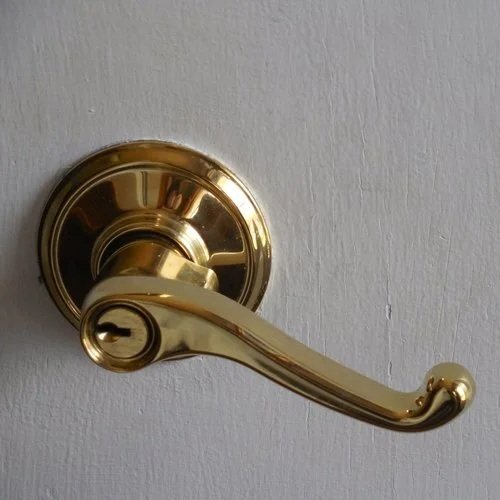
Door levers are a common alternative to traditional round doorknobs, offering both aesthetic appeal and ease of use. The lever handle design makes opening the door easier, especially for people with arthritis, limited hand strength, or mobility challenges.
Door levers are available in passage, privacy, and keyed entry versions, similar to traditional knobs. They're also often used in commercial settings to comply with the Americans with Disabilities Act (ADA).
Professional locksmiths often recommend door levers for homeowners looking to combine ease of use with modern style. Brands such as Brink's, Schlage, and Kwikset offer lever handle locksets in multiple finishes to complement both residential and business interiors.
Smart Locksets
Smart locksets represent the next generation of security. They can be installed as standalone systems or integrated with existing doorknobs and deadbolts. Controlled through smartphones, keypads, or biometric scanners, smart locksets eliminate the need for traditional keys.
These locks allow homeowners to manage access remotely, grant temporary codes to guests, and monitor door activity in real time. Some even integrate with home automation systems, providing voice control through assistants like Alexa or Google Home.
Professional locksmiths can install and program smart locksets to ensure proper setup, connectivity, and security. They can also recommend models compatible with specific doors or entry systems.
Smart locksets are ideal for homeowners who value convenience, advanced security, and the ability to control access from anywhere.
Decorative and Specialty Locksets
Beyond standard residential locks, there are numerous decorative and specialty options available. Some locksets combine multiple functions—such as keyless entry and privacy locking—while others are designed for specific architectural styles or materials.
Custom finishes, such as antique bronze, brushed nickel, or polished chrome, can enhance the aesthetic appeal of any door. Specialty locksets can also include commercial-grade mortise locks, high-security cylinders, or electronic keypads for business applications.
Professional locksmiths can help match functionality with design, ensuring that door hardware not only looks great but performs reliably over time.
Choosing the Right Lockset For Your Needs
Selecting the right doorknob or lockset depends on the location, level of security needed, and frequency of use. For exterior doors, a combination of a keyed entry knob and a deadbolt is recommended for optimal protection. For interior spaces, passage or privacy knobs are usually sufficient.
When upgrading or replacing door hardware, consider consulting a professional locksmith. They can help evaluate your property's security layout, recommend the best brands and finishes, and make sure that the installation meets safety standards.
In many cases, a locksmith can also rekey or upgrade existing locksets to improve security without the need for full replacement.
Maintaining Your Doorknobs and Locksets
Routine maintenance helps extend the life of your door hardware. Dirt, moisture, and frequent use can affect how smoothly locks operate. Locksmiths recommend lubricating the key cylinder and latch mechanism with a non-greasy, graphite-based lubricant periodically.
For electronic or smart locks, check battery levels regularly and update firmware to maintain performance and security.
If your doorknob or lockset becomes loose, stiff, or misaligned, call a professional locksmith to inspect and repair it before it causes a lockout or further damage.
Urgent & Practical FAQ: Doorknobs and Locksets
What is the difference between a doorknob and a lockset?
A doorknob refers to the handle used to operate the latch, while a lockset includes both the knob (or lever) and the locking mechanism.
Which type of doorknob is best for exterior doors?
Keyed entry knobs paired with deadbolts or smart locksets offer the best security for exterior doors.
Can I replace my old doorknobs without changing the locks?
Yes. A locksmith can install new doorknobs while keeping your existing lock cylinders or rekey them for added security.
Are door levers better than round doorknobs?
Door levers are easier to operate and are often recommended for accessibility, but both can provide equal levels of security depending on the lockset.
Are double cylinder locks safe for residential use?
Yes, but they must comply with local fire and safety codes. Consult a locksmith before installation to ensure proper compliance.
Can a locksmith rekey or repair existing locksets?
Absolutely. Professional locksmiths can rekey, repair, or upgrade most types of residential and commercial locksets.
Do smart locks work with existing doors?
Yes. Most smart locksets are designed to fit standard door preparations and can be installed by a locksmith without modifying the door.
How do I maintain my doorknobs and locks?
Clean them regularly, lubricate moving parts as needed, and contact a locksmith if you notice difficulty turning the key or latch.
Kwik Pick Lock and Safe now offers U-Haul services along with FREE lockout service for children or pets. If you need an auto locksmith, residential locksmith, security door installation, commercial locksmith, or safes and vaults for your Surprise, El Mirage, or Phoenix home, business, or auto, call today at 623-300-1889.
