
Secure Lock Options
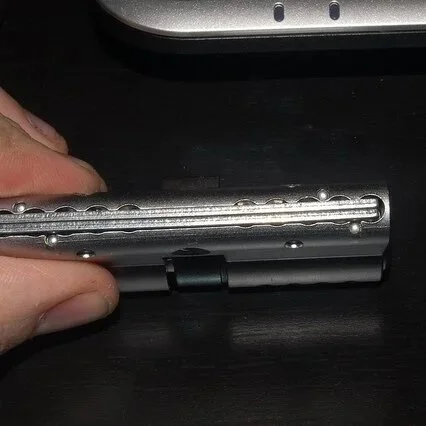
A strong, professionally installed lock system can often deter a criminal from moving on to a softer mark.
The world of security locks can be confusing for homeowners and business owners alike. Manufacturers and locksmiths often use technical terms to describe different types of high-security locks, each designed to address specific threats and vulnerabilities. Understanding what these terms mean can help you choose the right level of protection for your home, business, or rental property.
As locksmith professionals, we see firsthand how the right security locks can deter intruders and prevent costly break-ins. Thieves will stop at nothing to receive access to valuables—but they also tend to look for the easiest target. A strong, professionally installed lock system can often deter a criminal from moving on to a softer mark.
Good security doesn’t just keep people out; it discourages them from even trying. In this article, we’ll explore the most common types of secure lock options—anti-drill, anti-bump, and anti-pick locks—along with how they work, their benefits, and why investing in high-quality locks is one of the most intelligent security decisions a property owner can make.
Why Strong Locks Matter
Before diving into specific types of locks, it’s important to understand why high-security locks are so essential. A standard lock might look strong on the surface, but many are mass-produced with materials that are easy to break or manipulate.
Intruders often rely on simple techniques such as bumping, drilling, or picking to gain entry. These methods can take only seconds, especially with low-quality locks. In some cases, burglars don’t even have to be professionals—they can learn these techniques online.
Unfortunately, many people are surprised by how vulnerable their current locks really are. It’s not uncommon for locksmiths to visit beautifully maintained homes or businesses with cheap locks that offer little resistance to forced entry. Investing in quality security locks not only protects your belongings but also provides peace of mind.
High-security locks are engineered with advanced technology, durable materials, and specialized features to resist tampering, manipulation, and brute-force attacks. Whether installed on a home, office, or retail location, these locks make unauthorized access significantly more difficult.
Anti-Drill Locks
Drilling is one of the most common forced-entry methods used by burglars. With a power drill and the right bit, a thief can bore through a traditional lock’s cylinder and manipulate the internal mechanisms to open the door. Anti-drill locks are specifically designed to counter this type of attack.
These locks use reinforced materials and specialized components to resist drilling attempts. For example, anti-drill pins are made from hardened steel—often harder than the drill bit itself. When a burglar tries to drill through the cylinder, the hardened components either deflect the drill or cause it to break.
Some models include stainless steel ball bearings or anti-drill plates positioned at critical points within the lock mechanism. When a drill bit contacts these materials, the bearings spin freely, preventing the drill from biting into the metal. This design effectively stalls the attack, making it time-consuming and noisy—something most burglars want to avoid.
For maximum protection, professional locksmiths often recommend installing anti-drill locks on exterior doors, safes, and any entry points that protect high-value items. When installed correctly, these locks can provide an exceptional level of physical security, especially when paired with other reinforcements like heavy-duty strike plates or security hinges.
Anti-Bump Locks
Lock bumping is another method of forced entry that has become increasingly popular due to its simplicity. Burglars use a specially cut key, known as a bump key, which can be inserted into many standard pin-tumbler locks. By applying light pressure and tapping the key, the internal pins jump momentarily, allowing the cylinder to turn and the lock to open.
What makes bumping so concerning is how quickly it can be done—sometimes in just a few seconds, leaving no visible signs of forced entry.
Anti-bump locks are designed to neutralize this vulnerability. They use different mechanical configurations that make the bumping process ineffective.
Some anti-bump models use sidebars or additional security pins that prevent the pins from aligning properly when bumped. Others use spring-loaded pin stacks or shallow-cut pins that cannot be manipulated as easily as traditional designs.
Professional locksmiths often recommend anti-bump locks for homes, apartment complexes, and office spaces where unauthorized entry is a serious concern. Since lock bumping can be executed quietly, upgrading to anti-bump locks is one of the most effective ways to safeguard against covert intrusions.
Anti-Pick Locks
Lock picking has been around for centuries. While it requires skill and precision, experienced lock pickers can open many standard locks in seconds using basic tools. Anti-pick locks are designed to make this virtually impossible.
In a traditional lock, each pin must align perfectly along the shear line for the cylinder to rotate. Skilled pickers can manipulate these pins individually by feel. Anti-pick locks, however, include features that disrupt this tactile feedback.
Many anti-pick locks use mushroom-shaped or spool-shaped driver pins, which cause false feedback when manipulated. These pins catch and bind in ways that confuse the picker, making it extremely difficult to tell when the pins are properly aligned. Other designs use serrated or ridged pins that create additional resistance points inside the lock mechanism.
Because of these added complexities, even experienced pickers find anti-pick locks frustrating and time-consuming to defeat. Combined with other security features, they can provide superior protection against both amateur and professional break-in attempts.
Additional Secure Lock Features
Modern high-security locks often combine multiple protective features—anti-drill, anti-pick, and anti-bump mechanisms—into a single product. In addition to these, there are other features worth understanding:
Hardened steel construction: Reinforces the lock body against sawing, prying, or snapping.
Key control systems: Prevent unauthorized duplication by requiring locksmith authorization for key copying.
Restricted keyways: Limit the types of tools that can be inserted, making manipulation even more difficult.
Reinforced strike plates: Strengthen the area where the lock engages with the door frame, reducing vulnerability to forced entry.
Smart lock integration: Combines traditional locking mechanisms with electronic systems for enhanced control and monitoring.
By combining these physical and digital elements, locksmiths can provide comprehensive protection tailored to each client’s specific property type and risk level.
Why Quality Locks Are Worth the Investment
It’s common for homeowners and business owners to invest heavily in alarm systems or cameras, but overlook the importance of quality locks. However, even the most advanced security system can’t compensate for a weak locking mechanism.
Locks are your first line of defense. A strong lock not only prevents entry but also serves as a powerful visual deterrent. Criminals often look for vulnerabilities—they’re far less likely to target a home or business equipped with visibly reinforced locks.
Professional locksmiths can evaluate existing security measures and recommend upgrades that offer the right balance of convenience, aesthetics, and protection. Whether you manage a large commercial property or simply want to make your family home more secure, investing in well-designed, professionally installed locks is a long-term investment in peace of mind.
Choosing the Right Lock For Your Needs
Every property is unique, and so are its security requirements. The best lock for a downtown retail store may not be ideal for a suburban residence. Professional locksmiths consider several factors when recommending locks, including:
The type of door and frame material.
The property’s location and crime rate.
The level of traffic (number of people accessing the door daily).
Insurance and compliance requirements.
Personal or business security preferences.
For instance, a commercial locksmith might recommend installing heavy-duty mortise locks or an electronic access control system for a business with multiple employees. A residential locksmith might recommend deadbolts with anti-pick and anti-drill features for exterior doors.
Locksmiths can also offer advice on master key systems, rekeying options, and smart lock technology to enhance both convenience and control.
How Professional Locksmiths Enhance Security
A qualified locksmith doesn’t just install locks—they act as a full-service security consultant. They can:
Conduct an extensive security audit of the property.
Identify weaknesses in doors, frames, or hardware.
Recommend high-security lock systems suited to the client’s budget and needs.
Provide professional installation to verify proper alignment and functionality.
Offer maintenance, repair, and rekeying services as needed.
In addition, licensed locksmiths have access to high-quality lock brands and proprietary security systems that aren’t available at retail hardware stores. Working with a professional confirms you’re getting products and services designed for long-term protection, not just convenience.
Urgent & Practical FAQ: Secure Lock Options
What makes a lock high-security?
High-security locks use advanced mechanisms, hardened materials, and restricted keyways to resist drilling, picking, and bumping. They’re tested and certified by organizations such as ANSI and BHMA for durability and security.
Can a locksmith install anti-drill, anti-pick, or anti-bump locks on my existing doors?
Yes. A professional locksmith can evaluate your current doors and hardware to determine compatibility. In many cases, high-security locks can be retrofitted without significant modifications.
Are smart locks as secure as traditional locks?
Modern smart locks are highly secure when professionally installed and configured. Many include anti-tamper alarms, encrypted connections, and backup key options for added safety.
How often should I replace or upgrade my locks?
Locks should be inspected routinely and replaced every few years, especially after a move, renovation, or attempted break-in. A locksmith can assess whether your locks still meet current security standards.
Do anti-bump and anti-pick locks require special keys?
Some models use restricted or patented keys that cannot be duplicated without proper authorization. This adds another layer of protection against unauthorized key copying.
Can high-security locks prevent all break-ins?
While no system is completely invincible, high-security locks dramatically reduce the risk of forced or covert entry. They’re a critical part of a layered security strategy that includes lighting, surveillance, and alarms.
Key Takeaways
Understanding the different types of security locks—and how each protects against specific threats—empowers homeowners and business owners to make informed choices. Terms like anti-drill, anti-bump, and anti-pick aren’t just marketing buzzwords; they represent real advancements in lock engineering that can make the difference between a safe property and a vulnerable one.
Quality locks and professional installation go hand in hand. Investing in the right locks now can save you from costly losses and stressful security incidents later. Whether you’re looking to upgrade your residential locks, secure a commercial property, or install high-security systems, a professional locksmith can help you choose the best options for your needs.
Peace of mind starts with knowing your doors are properly protected—and that begins with secure lock options you can trust.
Kwik Pick Lock and Safe now offers U-Haul services along with FREE lockout service for children or pets. If you need an auto locksmith, residential locksmith, security door installation, commercial locksmith, or safes and vaults for your Surprise, El Mirage, or Phoenix home, business, or auto, call today at 623-300-1889.
