
How to Avoid Burglary 2: the Sequel
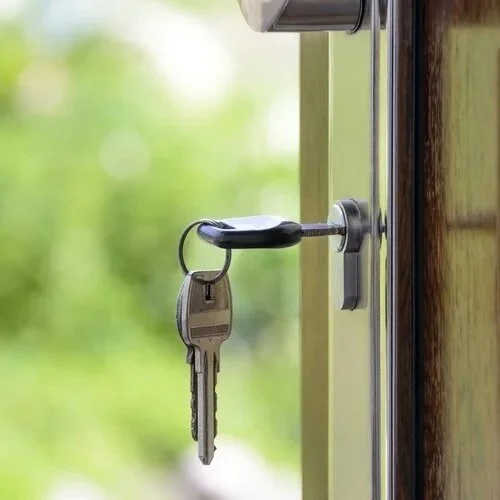
Understanding how burglars choose their targets and taking proactive security measures can make all the difference.
Experiencing a home burglary is one of the most distressing events a homeowner can face. It’s not only the loss of valuable possessions that leaves an impact—it’s the deep feeling of violation that comes from having your private space invaded. Even more alarming is that research shows nearly one-third of all burglary victims are targeted again.
So how can you protect your home and family, especially after a break-in? Understanding how burglars choose their targets and taking proactive security measures can make all the difference. In this guide, we’ll explore how burglaries happen, why repeat break-ins occur, and what steps you can take to prevent them—both the first time and the second.
The Prey
Burglary is a high-risk crime that depends on timing, opportunity, and familiarity. Most burglars prefer to strike when homes are unoccupied, often between ten a.m. and three p.m. on weekdays. This window aligns with when most residents are at work, school, or running errands.
It’s important to note the distinction between burglary and robbery. A burglary occurs when someone illegally enters a property with the intent to steal, usually when no one is home. A robbery, on the other hand, involves confrontation with a victim.
Burglars prefer empty homes because they reduce their risk of being caught or harmed. They rely on stealth, forced entry, and exploiting weak security measures. A skilled locksmith can help homeowners understand these vulnerabilities and strengthen entry points before they become targets.
The Mark
So how do burglars decide which homes to target? Contrary to popular belief, most burglars don’t act randomly. They observe and plan. A burglar may watch a property for days or weeks to learn the residents’ routines—when they leave for work, when deliveries arrive, and whether the home has cameras or an alarm system.
Statistics reveal that one-third of burglars enter through an unlocked front door, while about half enter through a back door or a first-floor window. The most common mistake homeowners make is assuming “it won’t happen here.” But burglars look for patterns of neglect—like uncollected mail, overgrown lawns, or lights left off at predictable times.
Even more unsettling, about 66 percent of burglary victims personally know their perpetrator. It might be a former roommate, a neighbor, or someone who’s been inside the home before.
For locksmiths and security professionals, the key to prevention starts with understanding how criminals think: they look for the easiest target, not necessarily the wealthiest one.
Why Burglary Two: The Sequel happens
Unfortunately, many burglars return to the same house for a second theft. It might sound shocking, but it makes sense from their perspective. Once they’ve successfully broken into a home, they already know the layout, entry points, and where valuables are stored.
A repeat burglar often assumes that:
The homeowner has replaced the stolen items with newer, higher-value ones using insurance money.
The home’s security hasn’t significantly improved since the first break-in.
They can re-enter quietly and quickly, often through the same vulnerable point as before.
Many victims of repeat burglaries admit they didn’t upgrade their locks or security system after the first incident. While replacing stolen belongings is important, investing in professional locksmith services and advanced home security measures is the real key to preventing the sequel.
If a burglar left one TV or a few valuables behind the first time, it might not be mercy—it might be a plan to come back later. That’s why homeowners should never assume they’re “safe” just because the burglar didn’t take everything.
Prevention: Protecting Your Home and Peace of Mind
Burglary prevention starts with awareness and solid security practices. While no system is 100 percent foolproof, making your home a difficult target dramatically lowers the chances of a break-in.
Here are professional steps you can take to prevent burglary and protect your property:
Lock Your Doors and Windows Every Time
It sounds simple, but a surprising number of burglaries happen because homeowners forget to lock up. Use high-quality deadbolts and make sure windows have secure latches. Locksmiths can inspect your locks and recommend hardware resistant to picking, bumping, or forced entry.
Upgrade to Reinforced Door Hardware
Your door is only as strong as its weakest part. Reinforced strike plates, heavy-duty screws, and solid-core doors make a significant difference in deterring break-ins. Locksmiths can install high-security deadbolts and anti-kick locks to strengthen your entryways.
Rekey or Replace Locks After Moving or Losing Keys
If you’ve recently moved into a new home or lost a key, rekeying or replacing your locks is essential. There’s no telling how many spare keys exist from previous owners, contractors, or tenants. A professional locksmith can rekey your locks to new combinations quickly and affordably.
Combine Security Systems with Lighting
A home with visible cameras, motion-activated lighting, and alarm signage is far less appealing to burglars. Pairing a security system with outdoor lighting is one of the most effective deterrents. Burglars prefer darkness and anonymity—bright lights and cameras take both away.
Maintain a Well-Kept Yard
Overgrown shrubs and tall fences may seem private, but they also provide cover for burglars—a tidy, open yard signals occupancy and vigilance. If you travel often, hire someone to maintain your property so it never appears abandoned.
Be Discreet About Valuables
Avoid leaving expensive items in plain view, such as jewelry boxes, electronics, or tools, near windows. Don’t post travel plans on social media until after returning home. Burglars often use social media to find empty homes.
Secure Sliding Doors and Windows
Sliding glass doors are a burglar’s favorite entry point. Add a sturdy bar or dowel to the track to prevent forced entry. Locksmiths can also install specialized locks or pin systems designed for sliding doors and windows.
Consider Smart Locks and Access Control
Smart locks provide convenience and security, allowing homeowners to lock or unlock doors remotely. They also send alerts when someone enters or attempts to tamper with the lock. Locksmiths can integrate these systems into your existing doors without significant modifications.
Build a Network of Eyes
Neighbors, community watch groups, and even a barking dog can serve as an extra layer of protection. A vigilant neighborhood discourages would-be burglars. Encourage your community to report suspicious activity immediately.
After a Burglary: Steps to Regain Security
If you’ve already been burglarized, the first step is to restore your home’s safety. Once law enforcement has cleared the scene, call a professional locksmith immediately. They can assess damage, repair broken locks, and advise on upgrading your overall security system.
A locksmith may recommend rekeying or replacing all exterior locks, installing security-grade deadbolts, or adding smart locks for remote monitoring. Many locksmith services also partner with security system providers to offer complete solutions for burglary recovery.
Don’t forget to document everything for your insurance claim. Take photos of damaged doors, locks, and windows before repairs begin. This information helps with claims and provides valuable insight into how the burglar gained access.
Finally, consider having a security consultation. Professional locksmiths can identify entry vulnerabilities, weak points in door frames, or outdated lock mechanisms that make your home more susceptible to future intrusions.
Why Professional Locksmiths Play a Key Role in Burglary Prevention
Locksmiths do far more than make keys—they are home security specialists. From installing advanced lock systems to advising on surveillance integration, a licensed locksmith confirms your home is fortified against intruders.
A locksmith can:
Conduct a security audit to identify weak entry points.
Recommend high-security locks, including keyless or biometric entry systems.
Reinforce door frames and install strike plates for added strength.
Rekey all locks to eliminate unauthorized access.
Provide emergency lock repair or replacement services after a break-in.
Professional locksmiths stay up-to-date with the latest security technology and lock innovations, making them the best resource for long-term burglary prevention strategies.
Understanding the Psychology of a Burglar
Burglars typically target homes that appear easy to enter and exit quickly. They’re opportunistic—if a lock looks complex or a property shows signs of surveillance, they move on.
They also prefer familiarity. A previous burglary often provides inside knowledge: which doors are weakest, where valuables are stored, and how long the homeowners typically stay away. This is why upgrading locks and changing security habits after a burglary is crucial.
Burglary prevention is about creating multiple layers of deterrence—physical, visual, and psychological. The more effort required to break in, the less likely the burglar will try.
Urgent & Practical FAQ: Burglary Prevention and Locksmith Services
How can I make my home less attractive to burglars?
Lock all doors and windows, use deadbolts, install motion-activated lighting, and maintain a well-kept yard. Avoid displaying valuables near windows and consider adding cameras or a monitored alarm system.
How often should I rekey or replace my locks?
Rekey locks whenever you move into a new home, lose keys, or suspect unauthorized access. Locks should also be replaced if they show signs of wear or damage.
Are smart locks secure against burglary?
Yes, when installed and configured by a professional locksmith. Smart locks use encrypted technology and can send alerts for suspicious activity.
What is the best lock for preventing break-ins?
High-security deadbolts, reinforced strike plates, and ANSI Grade 1 locks offer superior protection. Your locksmith can recommend the best type for your specific door and frame.
Do burglars avoid homes with cameras?
Yes. Visible cameras and alarm signage significantly reduce the likelihood of a burglary. Most criminals will skip a property with active surveillance.
What should I do immediately after a break-in?
Contact the police, document the damage, and call a locksmith to secure your home. Do not stay inside if you suspect the burglar might still be nearby.
Can a locksmith help me prevent future burglaries?
Absolutely. A professional locksmith can inspect your home, recommend stronger locks, and install security upgrades designed to deter burglars.
Securing Your Home for the Future
Being burglarized once is unsettling—being burglarized twice is a sign that the security system needs serious reinforcement. Prevention isn’t just about locking doors; it’s about understanding how burglars think and staying one step ahead.
From rekeying and deadbolt installation to smart lock systems and full home security consultations, locksmiths provide the expertise homeowners need to protect their families and property.
A burglary may take minutes, but the peace of mind that comes from professional security upgrades lasts for years. Protect your home, safeguard your valuables, and take the right steps today to make sure there’s never a “sequel.”
Kwik Pick Lock and Safe now offers U-Haul services along with FREE lockout service for children or pets. If you need an auto locksmith, residential locksmith, security door installation, commercial locksmith, or safes and vaults for your Surprise, El Mirage, or Phoenix home, business, or auto, call today at 623-300-1889.
